IP#374 – Mary Dudro – Salt and Light: The Spiritual Journey of Élisabeth and Félix Leseur on Inside the Pages with Kris McGregor – Discerning Hearts Podcast

Mary Dudro – Salt and Light: The Spiritual Journey of Élisabeth and Félix Leseur on Inside the Pages with Kris McGregor

Mary Dudro

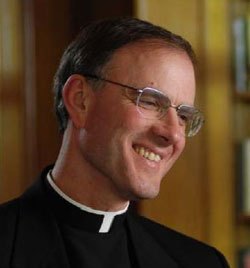
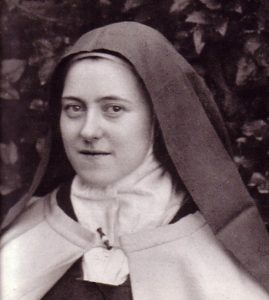
Mary Dudro-Gordon and Kris McGregor discuss Salt and Light: The Spiritual Journey of Elisabeth and Félix Leseur by Bernadette Chovelon. Presenting the remarkable story of Elisabeth, a devout Catholic, and Félix, a staunch atheist; their marriage was grounded in deep love and mutual respect despite their spiritual differences. Their relationship illustrates the transformative power of sacramental marriage as Elisabeth devoted herself to silent prayer, sacrifice, and trust in God’s plan for Félix’s conversion. Despite her chronic illness and the sorrow of infertility, Elisabeth maintained her faith, believing in God’s mercy and grace while selflessly serving her husband and others around her.

Their story takes a poignant turn after Elisabeth’s death when Félix reads her spiritual writings and is deeply moved by the hidden sacrifices she made for his soul. Overwhelmed by her example of love and faith, Félix experiences a profound conversion and later becomes a Dominican priest, dedicating the remainder of his life to serving God. Elisabeth and Felix’s story provides a compelling testament to the quiet power of prayer, the enduring nature of true marital love, and the mystery of divine mercy. Elisabeth Leseur’s example serves as an inspiration for those praying for the conversion of loved ones, reminding readers to trust in God’s timing and the unseen work of grace.


Discerning Hearts Reflection Questions

  1. The Power of Silent Witness: How can we practice silent, prayerful witness like Elizabeth Leseur when sharing our faith with loved ones who struggle with belief?
  2. Sacrificial Love in Marriage: What does it mean to work for the salvation of one’s spouse, and how can we embody selfless love within our own marriages?
  3. Trusting in God’s Timing: How can we cultivate greater trust in God’s timing, especially when praying for the conversion of someone we love?
  4. The Call to Spiritual Parenthood: How can we, like Elizabeth and Félix, extend the love we might reserve for our children toward others in our families and communities?
  5. Faith in the Midst of Suffering: How can Elizabeth’s example of enduring illness with grace inspire us to trust God more deeply during our own trials?
  6. Hope for the Lost Sheep: How does Elizabeth’s unwavering belief in Félix’s eventual conversion challenge us to maintain hope and perseverance in prayer for those who seem far from God?
  7. The Ordinary Path to Holiness: What does Elizabeth and Félix’s story reveal about the potential for holiness within ordinary, everyday life?
  8. Marriage as a Path to Heaven: How can the Leseurs’ understanding of marriage as a shared mission for one another’s salvation influence the way we approach our own vocations?
  9. The Mystery of Divine Mercy: How does the unfolding of Félix’s conversion after Elizabeth’s death demonstrate the limitless and unexpected ways God’s mercy operates?
  10. The Witness of Christian Love: In what ways can we love others as Elizabeth did—without pressure or argument—so that they may encounter the love of God through our actions?

You can find the book here

From the book description:

“Élisabeth and Félix Leseur began their life together in France as a carefree young couple with a bright future ahead of them. They were beautifully and compatibly matched, except for one major difference—Élisabeth was a devout Catholic, and Félix was a firmly decided atheist. As they faced the seasons of life together, their relationship was tested, and both were called to deep spiritual transformation.

Out of love for her husband, Élisabeth spent her life offering her many sufferings for the sake of his conversion. After her death, and in response to the profound love he encountered in her writings, Félix converted and offered the rest of his life to God as a Dominican priest.

This biography is a lovely narrative of their marriage and the transformative power of God’s love and grace in their lives. It also presents a charming picture of upper-middle-class French society at the turn of the last century. The cause for the canonization of Élisabeth Leseur has been opened by the Catholic Church.”


Friday of the Fifth Week in Ordinary Time – A Time of Lectio Divina for the Discerning Heart Podcast


Friday of the Fifth Week in Ordinary Time  – A Time of Lectio Divina for the Discerning Heart Podcast
As you begin, take a deep breath and exhale slowly.  For at least the next few moments, surrender all the cares and concerns of this day to the Lord.

Say slowly from your heart “Jesus, I Trust In You…You Take Over”

Become aware that He is with you, looking upon you with love, wanting to be heard deep within in your heart…

From the Holy Gospel of St. Mark 7:31-37

Returning from the district of Tyre, Jesus went by way of Sidon towards the Sea of Galilee, right through the Decapolis region. And they brought him a deaf man who had an impediment in his speech; and they asked him to lay his hand on him. He took him aside in private, away from the crowd, put his fingers into the man’s ears and touched his tongue with spittle. Then looking up to heaven he sighed; and he said to him, ‘Ephphatha’, that is, ‘Be opened.’ And his ears were opened, and the ligament of his tongue was loosened and he spoke clearly. And Jesus ordered them to tell no one about it, but the more he insisted, the more widely they published it. Their admiration was unbounded. ‘He has done all things well,’ they said ‘he makes the deaf hear and the dumb speak.’

What word made this passage come alive for you?

What did you sense the Lord saying to you?

Once more give the Lord an opportunity to speak to you:

Returning from the district of Tyre, Jesus went by way of Sidon towards the Sea of Galilee, right through the Decapolis region. And they brought him a deaf man who had an impediment in his speech; and they asked him to lay his hand on him. He took him aside in private, away from the crowd, put his fingers into the man’s ears and touched his tongue with spittle. Then looking up to heaven he sighed; and he said to him, ‘Ephphatha’, that is, ‘Be opened.’ And his ears were opened, and the ligament of his tongue was loosened and he spoke clearly. And Jesus ordered them to tell no one about it, but the more he insisted, the more widely they published it. Their admiration was unbounded. ‘He has done all things well,’ they said ‘he makes the deaf hear and the dumb speak.’

What did your heart feel as you listened?

What did you sense the Lord saying to you?

Once more, through Him, with Him and in Him listen to the Word:

Returning from the district of Tyre, Jesus went by way of Sidon towards the Sea of Galilee, right through the Decapolis region. And they brought him a deaf man who had an impediment in his speech; and they asked him to lay his hand on him. He took him aside in private, away from the crowd, put his fingers into the man’s ears and touched his tongue with spittle. Then looking up to heaven he sighed; and he said to him, ‘Ephphatha’, that is, ‘Be opened.’ And his ears were opened, and the ligament of his tongue was loosened and he spoke clearly. And Jesus ordered them to tell no one about it, but the more he insisted, the more widely they published it. Their admiration was unbounded. ‘He has done all things well,’ they said ‘he makes the deaf hear and the dumb speak.’

What touched your heart in this time of prayer?

What did your heart feel as you prayed?

What do you hope to carry with you from this time with the Lord?


Our Father, who art in heaven,

  hallowed be thy name.

Thy kingdom come.

 Thy will be done on earth, as it is in heaven.

Give us this day our daily bread,

 and forgive us our trespasses,

 as we forgive those who trespass against us,

and lead us not into temptation,

 but deliver us from evil.

May the Lord bless us, and keep us from all evil, and bring us to everlasting life.

Amen

Excerpt from THE JERUSALEM BIBLE, copyright (c) 1966 by Darton, Longman & Todd, Ltd. and Doubleday, a division of Penguin Random House, Inc. Reprinted by Permission.


IP#491 Joe Paprocki – 8 Steps to Energize Your Faith, Part 2 on Inside the Pages with Kris McGregor – Discerning Hearts Podcasts

Joe Paprocki on “8 Steps to Energize Your Faith”, Part Two on Inside the Pages with Kris McGregor

Joe Paprocki joins Kris McGregor on Discerning Hearts to discuss his book Eight Steps to Energize Your Faith. Paprocki highlights the relational nature of faith, rooted in the Trinitarian image of God. He shares personal experiences as an introvert, especially during the isolation of the pandemic, to illustrate humanity’s inherent need for relationships and the importance of compassion, distinguishing it from empathy by noting that compassion leads to action. Paprocki connects these ideas to the corporal and spiritual works of mercy, encouraging parents to recognize the compassionate nature of their everyday responsibilities.

Paprocki reflects on the joy found in generosity, sharing insights from biblical stories such as the wedding at Cana and the feeding of the 5,000 to illustrate God’s abundant grace. Generosity isn’t limited to financial resources but extends to time, talent, and presence.


Discerning Hearts Reflection Questions

  1. The Relational Nature of God: How can you foster deeper relationships in your life to reflect the Trinitarian image of God?
  2. Living Compassion Through Action: What steps can you take to move beyond empathy and practice compassion through concrete acts of mercy?
  3. Participating in God’s Restorative Work: Where in your life can you contribute to repairing relationships or restoring hope in others?
  4. Generosity as a Reflection of Divine Abundance: How can you practice generosity in your daily life with your time, talents, and resources?
  5. The Gift of Stillness in the Spiritual Life: When can you make time to be still and simply rest in God’s presence this week?

You can find the book here.

From the book description:

“Act now to tap into the current of God’s loving grace.

While uncertainty and tough times are hallmarks of life, our current era feels more than a little unpredictable. And if we’re honest with ourselves, many of us are feeling uncertain about God’s plan. In times like these, we need a healthy boost of faith and a solid shot of inspiration to get through the day and lead us back to God. Pie-in-the-sky advice or overwrought platitudes won’t do. We need substantial, practical ways to fortify our souls.

In 8 Steps to Energize Your Faith, beloved spiritual teacher Joe Paprocki offers hands-on advice to guide us out of the fog of an often-confusing world and bolster our confidence in who we are—children of God with a vision and a purpose. This, of course, means growing in faith, but how? By tapping into God’s loving Spirit so we can go with the holy flow to put first things first and let the small stuff go.

Timely, inspiring, and filled with hard-earned, practical wisdom that applies to your life right now, 8 Steps to Energize Your Faith offers a path that we can all start on today to feel motivated, focused, and renewed in the Spirit.”


About the Author: Joe Paprocki, DMin, is National Consultant for Faith Formation at Loyola Press. He has over 40 years of experience in pastoral ministry and has taught at the high school, college, and general-adult levels. He is the author of over 20 books that have sold nearly a half-million copies, including the best sellers The Catechist’s Toolbox and A Well-Built Faith. His latest book, 8 Steps to Energize Your Faith, was published in 2023. He has presented in over 150 dioceses in North America and blogs about the catechetical ministry at www.catechistsjourney.com.

IP#490 Joe Paprocki – 8 Steps to Energize Your Faith, Part 1 on Inside the Pages with Kris McGregor – Discerning Hearts Podcast

Joe Paprocki on “8 Steps to Energize Your Faith”, Part One on Inside the Pages with Kris McGregor

Eight Steps to Energize Your Faith, which explores practical ways to reconnect with God’s presence in everyday life. Paprocki draws on the examples of the prophet Elijah and George Bailey from It’s a Wonderful Life to illustrate the human experience of spiritual fatigue and the longing for renewed purpose. Many people, especially post-pandemic, feel depleted and seek divine energy to reawaken their desire to live fully. Through relatable stories and Ignatian principles, Paprocki encourages readers to recognize God’s presence in daily activities, even the mundane ones, and to nurture their spiritual lives through creativity, simplicity, and gratitude.

Authentic spirituality involves seeking meaning beyond the visible and recognizing God’s hand in creation. Steps like delighting in nature, simplifying possessions, and expressing creativity help individuals encounter God’s grace. The book is a resource not only for those firmly rooted in faith but also for those who identify as spiritual but not religious, inviting them to experience God’s presence in daily life and consider how faith practices can deepen that relationship.


Discerning Hearts Reflection Questions

  1. Recognizing Spiritual Fatigue: What aspects of your faith life feel depleted, and how might you invite God’s divine energy to renew your spirit?
  2. Finding God in Everyday Moments: Where have you recently experienced God’s presence in ordinary, daily activities?
  3. Embracing Creativity as a Gift from God: How do you express creativity in your life, and how does it reflect your identity as a co-creator with God?
  4. The Role of Pondering in Spiritual Growth: When was the last time you took time to ponder a significant event, and what did it reveal about God’s presence in your life?
  5. Cultivating Gratitude for Spiritual Renewal: What blessings can you name today that remind you of God’s love and care?
  6. Simplifying Life for Greater Clarity: What possessions, commitments, or distractions might you let go of to create more space for God?
  7. Connecting with Creation as a Path to God: How can you intentionally spend more time in nature to grow in awareness of God’s creative power?
  8. Accompanying Others in Their Faith Journey: How can you show love and support to those who identify as spiritual but not religious, meeting them where they are with compassion

You can find the book here.

From the book description:

“Act now to tap into the current of God’s loving grace.

While uncertainty and tough times are hallmarks of life, our current era feels more than a little unpredictable. And if we’re honest with ourselves, many of us are feeling uncertain about God’s plan. In times like these, we need a healthy boost of faith and a solid shot of inspiration to get through the day and lead us back to God. Pie-in-the-sky advice or overwrought platitudes won’t do. We need substantial, practical ways to fortify our souls.

In 8 Steps to Energize Your Faith, beloved spiritual teacher Joe Paprocki offers hands-on advice to guide us out of the fog of an often-confusing world and bolster our confidence in who we are—children of God with a vision and a purpose. This, of course, means growing in faith, but how? By tapping into God’s loving Spirit so we can go with the holy flow to put first things first and let the small stuff go.

Timely, inspiring, and filled with hard-earned, practical wisdom that applies to your life right now, 8 Steps to Energize Your Faith offers a path that we can all start on today to feel motivated, focused, and renewed in the Spirit.”


About the Author: Joe Paprocki, DMin, is National Consultant for Faith Formation at Loyola Press. He has over 40 years of experience in pastoral ministry and has taught at the high school, college, and general-adult levels. He is the author of over 20 books that have sold nearly a half-million copies, including the best sellers The Catechist’s Toolbox and A Well-Built Faith. His latest book, 8 Steps to Energize Your Faith, was published in 2023. He has presented in over 150 dioceses in North America and blogs about the catechetical ministry at www.catechistsjourney.com.

Thursday of the Fifth Week in Ordinary Time – A Time of Lectio Divina for the Discerning Heart Podcast

Thursday of the Fifth Week in Ordinary Time  – A Time of Lectio Divina for the Discerning Heart Podcast
As you begin, take a deep breath and exhale slowly.  For at least the next few moments, surrender all the cares and concerns of this day to the Lord.

Say slowly from your heart “Jesus, I Trust In You…You Take Over”

Become aware that He is with you, looking upon you with love, wanting to be heard deep within in your heart…

From the Holy Gospel of St. Mark 7:24-30

Jesus left Gennesaret and set out for the territory of Tyre. There he went into a house and did not want anyone to know he was there, but he could not pass unrecognised. A woman whose little daughter had an unclean spirit heard about him straightaway and came and fell at his feet. Now the woman was a pagan, by birth a Syrophoenician, and she begged him to cast the devil out of her daughter. And he said to her, ‘The children should be fed first, because it is not fair to take the children’s food and throw it to the house-dogs.’ But she spoke up: ‘Ah yes, sir,’ she replied ‘but the house-dogs under the table can eat the children’s scraps.’ And he said to her, ‘For saying this, you may go home happy: the devil has gone out of your daughter.’ So she went off to her home and found the child lying on the bed and the devil gone.

What word made this passage come alive for you?

What did you sense the Lord saying to you?

Once more give the Lord an opportunity to speak to you:

Jesus left Gennesaret and set out for the territory of Tyre. There he went into a house and did not want anyone to know he was there, but he could not pass unrecognised. A woman whose little daughter had an unclean spirit heard about him straightaway and came and fell at his feet. Now the woman was a pagan, by birth a Syrophoenician, and she begged him to cast the devil out of her daughter. And he said to her, ‘The children should be fed first, because it is not fair to take the children’s food and throw it to the house-dogs.’ But she spoke up: ‘Ah yes, sir,’ she replied ‘but the house-dogs under the table can eat the children’s scraps.’ And he said to her, ‘For saying this, you may go home happy: the devil has gone out of your daughter.’ So she went off to her home and found the child lying on the bed and the devil gone.

What did your heart feel as you listened?

What did you sense the Lord saying to you?

Once more, through Him, with Him and in Him listen to the Word:

Jesus left Gennesaret and set out for the territory of Tyre. There he went into a house and did not want anyone to know he was there, but he could not pass unrecognised. A woman whose little daughter had an unclean spirit heard about him straightaway and came and fell at his feet. Now the woman was a pagan, by birth a Syrophoenician, and she begged him to cast the devil out of her daughter. And he said to her, ‘The children should be fed first, because it is not fair to take the children’s food and throw it to the house-dogs.’ But she spoke up: ‘Ah yes, sir,’ she replied ‘but the house-dogs under the table can eat the children’s scraps.’ And he said to her, ‘For saying this, you may go home happy: the devil has gone out of your daughter.’ So she went off to her home and found the child lying on the bed and the devil gone.

What touched your heart in this time of prayer?

What did your heart feel as you prayed?

What do you hope to carry with you from this time with the Lord?


Our Father, who art in heaven,

  hallowed be thy name.

Thy kingdom come.

 Thy will be done on earth, as it is in heaven.

Give us this day our daily bread,

 and forgive us our trespasses,

 as we forgive those who trespass against us,

and lead us not into temptation,

 but deliver us from evil.

May the Lord bless us, and keep us from all evil, and bring us to everlasting life.

Amen

Excerpt from THE JERUSALEM BIBLE, copyright (c) 1966 by Darton, Longman & Todd, Ltd. and Doubleday, a division of Penguin Random House, Inc. Reprinted by Permission.


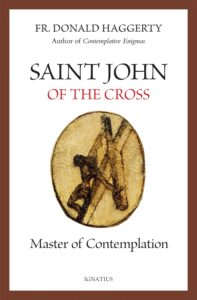
SJC12 – Dawning Light of the Gift of Contemplation – St. John of the Cross with Fr. Donald Haggerty – Discerning Hearts Podcast


Dawning Light of the Gift of Contemplation – St. John of the Cross: Master of Contemplation with Fr. Donald Haggerty

Fr. Donald Haggerty discusses St. John of the Cross’s teachings on the early stages of contemplative prayer, focusing on the transition from meditative prayer to the reception of contemplative graces. Many souls struggle during this period, feeling frustration and dryness when their usual methods of prayer no longer yield the same consolation. This period, described in St. John’s writings, can become a spiritual crossroads where misunderstanding can hinder growth, potentially leading to stagnation. It’s necessary to have proper guidance to help souls recognize and cooperate with God’s deeper work, even in the absence of consolations.

He also contrasts this experience with St. Ignatius of Loyola’s teaching on desolation, noting that St. John of the Cross is addressing a different kind of interior struggle—one not marked by a loss of faith or desire for God, but rather a shift in how grace operates in the soul. Many well-intentioned individuals, including religious and laypeople, mistakenly try to force previous methods of prayer, not realizing that God is calling them to a new way of relating to Him.


Discerning Hearts Reflection Questions

  1. The Transition from Meditative to Contemplative Prayer: How have you experienced moments in prayer where familiar methods no longer bring the same sense of connection or consolation, and how did you respond?
  2. Spiritual Crossroads and Interior Growth: When faced with dryness or difficulty in prayer, do you persist in previous methods, or do you seek to understand how God may be inviting you to deeper trust?
  3. The Role of Spiritual Direction: If access to a trained spiritual director is limited, how can you seek guidance through the wisdom of the saints, particularly St. John of the Cross, in navigating deeper prayer?
  4. Discerning Desolation and Contemplative Grace: In times of spiritual dryness, how do you distinguish between the desolation that calls for perseverance and the invitation to surrender to a new mode of prayer?
  5. Trusting God’s Hidden Work in the Soul: How can you cultivate a greater trust in God’s work in your prayer life, even when it feels unclear or different from past experiences?

An excerpt from St. John of the Cross: Master of Contemplation

“We are ready now to take up the teaching of Saint John of the Cross on contemplation. However, it can be beneficial to ease a bit into the subject, which is what Saint John of the Cross does in his writings. On a few occasions, for instance, he mentions a primary motive for him in taking up his pen. A matter of critical importance for him—“extremely necessary to so many souls” (AMC Prologue 3)—is the harm done to souls who do not recognize the initial symptoms of contemplative graces and do not adjust their approach to prayer accordingly. The failure to advance into contemplation when the grace is being offered is, for him, a great misfortune. A lack of understanding is the obvious reason and an excuse of sorts; nonetheless, this ignorance is consequential and requires remedy.

The loss is inestimable, not just to particular souls, but to the vast fruitfulness that a contemplative soul can bear for the sake of others. Saint John of the Cross wastes no time in bringing up the issue. The first pages of the Prologue to The Ascent of Mount Carmel express his lament. When he refers to the “dark night” in the following passage, he is referring to the initial experience of purification that occurs as the grace of contemplation commences. What should not be missed in this passage is also the opening phrase. The initial graces of contemplative prayer do not presume the rarity of a saintly life, but a life sincerely engaged in a wholehearted pursuit of virtue.”

Haggerty, Donald. Saint John of the Cross: Master of Contemplation (p. 158). Ignatius Press. Kindle Edition.


For more episodes in this series visit Fr. Haggerty’s Discerning Hearts page here


You find the book on which this series is based here.

Wednesday of the Fifth Week in Ordinary Time – A Time of Lectio Divina for the Discerning Heart Podcast

Wednesday of the Fifth Week in Ordinary Time  – A Time of Lectio Divina for the Discerning Heart Podcast

As you begin, take a deep breath and exhale slowly.  For at least the next few moments, surrender all the cares and concerns of this day to the Lord.

Say slowly from your heart “Jesus, I Trust In You…You Take Over”

Become aware that He is with you, looking upon you with love, wanting to be heard deep within in your heart…

From the Holy Gospel of St. Mark 7:14-23

Jesus called the people to him and said, ‘Listen to me, all of you, and understand. Nothing that goes into a man from outside can make him unclean; it is the things that come out of a man that make him unclean. If anyone has ears to hear, let him listen to this.’

When he had gone back into the house, away from the crowd, his disciples questioned him about the parable. He said to them, ‘Do you not understand either? Can you not see that whatever goes into a man from outside cannot make him unclean, because it does not go into his heart but through his stomach and passes out into the sewer?’ (Thus he pronounced all foods clean.) And he went on, ‘It is what comes out of a man that makes him unclean. For it is from within, from men’s hearts, that evil intentions emerge: fornication, theft, murder, adultery, avarice, malice, deceit, indecency, envy, slander, pride, folly. All these evil things come from within and make a man unclean.’

What word made this passage come alive for you?

What did you sense the Lord saying to you?

Once more give the Lord an opportunity to speak to you:

Jesus called the people to him and said, ‘Listen to me, all of you, and understand. Nothing that goes into a man from outside can make him unclean; it is the things that come out of a man that make him unclean. If anyone has ears to hear, let him listen to this.’

When he had gone back into the house, away from the crowd, his disciples questioned him about the parable. He said to them, ‘Do you not understand either? Can you not see that whatever goes into a man from outside cannot make him unclean, because it does not go into his heart but through his stomach and passes out into the sewer?’ (Thus he pronounced all foods clean.) And he went on, ‘It is what comes out of a man that makes him unclean. For it is from within, from men’s hearts, that evil intentions emerge: fornication, theft, murder, adultery, avarice, malice, deceit, indecency, envy, slander, pride, folly. All these evil things come from within and make a man unclean.’

What did your heart feel as you listened?

What did you sense the Lord saying to you?

Once more, through Him, with Him and in Him listen to the Word:

Jesus called the people to him and said, ‘Listen to me, all of you, and understand. Nothing that goes into a man from outside can make him unclean; it is the things that come out of a man that make him unclean. If anyone has ears to hear, let him listen to this.’

When he had gone back into the house, away from the crowd, his disciples questioned him about the parable. He said to them, ‘Do you not understand either? Can you not see that whatever goes into a man from outside cannot make him unclean, because it does not go into his heart but through his stomach and passes out into the sewer?’ (Thus he pronounced all foods clean.) And he went on, ‘It is what comes out of a man that makes him unclean. For it is from within, from men’s hearts, that evil intentions emerge: fornication, theft, murder, adultery, avarice, malice, deceit, indecency, envy, slander, pride, folly. All these evil things come from within and make a man unclean.’

What touched your heart in this time of prayer?

What did your heart feel as you prayed?

What do you hope to carry with you from this time with the Lord?


Our Father, who art in heaven,

  hallowed be thy name.

Thy kingdom come.

 Thy will be done on earth, as it is in heaven.

Give us this day our daily bread,

 and forgive us our trespasses,

 as we forgive those who trespass against us,

and lead us not into temptation,

 but deliver us from evil.

May the Lord bless us, and keep us from all evil, and bring us to everlasting life.

Amen

Excerpt from THE JERUSALEM BIBLE, copyright (c) 1966 by Darton, Longman & Todd, Ltd. and Doubleday, a division of Penguin Random House, Inc. Reprinted by Permission.


St. Bernadette, A Holy Life – In Conversation with Patricia McEachern – Discerning Hearts Podcasts

St. Bernadette, A Holy Life – In Conversation with Patricia McEachern
Patricia-McEachern

Patricia McEachern, an associate professor of French at Drew University in Missouri, discusses her book “A Holy Life: The Writings of St. Bernadette of Lourdes” with Bruce and Kris McGregor. Patricia shares her fascination with St. Bernadette and her journey from being introduced to St. Bernadette through a movie to translating her letters and spiritual notebook. She shares personal experiences, including her visit to Lourdes, which ultimately led to her conversion to Catholicism.

“St. Bernadette, A Holy Life” shows readers St. Bernadette’s remarkable character beyond her portrayal in films, highlighting her humility, courage, and devotion to her vocation. Patricia also sheds light on Bernadette’s suffering, her family relationships, and her unwavering faith, revealing a deeper understanding of St. Bernadette’s life beyond the famous apparitions and her enduring impact as a role model for holiness.

You can find the book here.


Discerning Hearts Reflection Questions:

  1. Bernadette’s Humanity: How does Patricia McEachern’s discussion of St. Bernadette’s life reveal her humanity beyond her portrayal in films and popular culture?
  2. Bernadette’s Devotion: What aspects of St. Bernadette’s devotion to her vocation and faith stand out to you?
  3. Bernadette’s Suffering: In what ways did St. Bernadette endure suffering, both physically and emotionally, and how did she find meaning in it?
  4. Bernadette’s Spiritual Growth: How did St. Bernadette’s spiritual journey evolve throughout her life, especially beyond the famous apparitions at Lourdes?
  5. Bernadette’s Impact: Reflect on the impact of St. Bernadette’s life and writings as discussed by Patricia McEachern, particularly in terms of her role as a model for holiness.
  6. Personal Conversion: Patricia mentions her own conversion to Catholicism after visiting Lourdes. How do personal experiences, like hers, shape our understanding and connection to saints like St. Bernadette?
  7. Spiritual Lessons: Consider the spiritual lessons and insights gained from Bernadette’s writings, as highlighted by Patricia. How might these lessons apply to your own spiritual journey?

From the book’s description:

“While the story of the apparitions of Our Lady to Bernadette Soubirous at Lourdes in 1858 are well known, relatively few people are familiar with the saint’s own spiritual insights and profound holiness. For the first time in English, this book presents a wide selection of St. Bernadette’s thoughts, advice, sayings, and prayers through the touching words of her spiritual diary, notes, and letters to friends and family.
After receiving the visions of Our Lady at the grotto in Lourdes, Bernadette eventually became a religious sister as a member of the Sisters of Charity. She lived a life of simplicity, charity, suffering and deep holiness, dying at the age of 35. When she was canonized a saint, her body was found to be incorrupt.

In these beautiful writings of St. Bernadette, we learn the secrets of her holiness and happiness. Though she suffered greatly throughout her life, the heroic response of this humble, self-effacing nun transformed excruciating suffering into spiritual fruitfulness. Her letters and writings serve as a model for others passing through their own trials. Her writings reveal and intimate and profound love for God and neighbor. Anyone pursuing a deeper spiritual life will appreciate knowing Bernadette as she truly was, and the inspiring spiritual works of wisdom she offers to us all.”

“The Apparition of Our Lady of Lourdes” – St. Bernadette Soubirous from the Office of Readings – Discerning Hearts Podcast

From a letter from Saint Bernadette Soubirous, virgin

(Ep. ad Gondrand a 1861: cf. A. Ravier, Les escrits de sainte Bernadette, Paris, 1961, pp. 53-59)

The apparition of Our Lady of Lourdes

I had gone down one day with two other girls to the bank of the river Gave when suddenly I heard a kind of rustling sound. I turned my head toward the field by the side of the river but the trees seemed quite still and the noise was evidently not from them. Then I looked up and caught sight of the cave where I saw a lady wearing a lovely white dress with a bright belt. On top of each of her feet was a pale yellow rose, the same color as her rosary beads.

At this I rubbed my eyes, thinking I was seeing things, and I put my hands into the fold of my dress where my rosary was. I wanted to make the sign of the cross but for the life of me I couldn’t manage it and my hand just fell down. Then the lady made the sign of the cross herself and at the second attempt I managed to do the same, though my hands were trembling. Then I began to say the rosary while the lady let her beads slip through her fingers, without moving her lips. When I stopped saying the Hail Mary, she immediately vanished.

I asked my two companions if they had noticed anything, but they said no. Of course they wanted to know what I was doing and I told them that I had seen a lady wearing a nice white dress, though I didn’t know who she was. I told them not to say anything about it, and they said I was silly to have anything to do with it. I said they were wrong and I came back next Sunday, feeling myself drawn to the place….

The third time I went the lady spoke to me and asked me to come every day for fifteen days. I said I would and then she said that she wanted me to tell the priests to build a chapel there. She also told me to drink from the stream. I went to the Gave, the only stream I could see. Then she made me realise she was not speaking of the Gave and she indicated a little trickle of water close by. When I got to it I could only find a few drops, mostly mud. I cupped my hands to catch some liquid without success and then I started to scrape the ground. I managed to find a few drops of water but only at the fourth attempt was there a sufficient amount for any kind of drink. The lady then vanished and I went back home.

I went back each day for two weeks and each time, except one Monday and one Friday, the lady appeared and told me to look for a stream and wash in it and to see that the priests build a chapel there. I must also pray, she said, for the conversion of sinners. I asked her many times what she meant by that, but she only smiled. Finally with outstretched arms and eyes looking up to heaven she told me she was the Immaculate Conception.

During the two weeks she told me three secrets but I was not to speak about them to anyone and so far I have not.

COLLECT
Grant us, O merciful God, protection in our weakness,
that we, who keep the Memorial of the Immaculate Mother of God,
may, with the help of her intercession,
rise up from our iniquities.
Through our Lord Jesus Christ, your Son,
who lives and reigns with you in the unity of the Holy Spirit,
one God, for ever and ever.

Excerpts from the English translation of The Liturgy of the Hours (Four Volumes) © 1974, International Commission on English in the Liturgy Corporation. All rights reserved.


Tuesday of the Fifth Week in Ordinary Time – A Time of Lectio Divina for the Discerning Heart Podcast

Tuesday of the Fifth Week in Ordinary Time  – A Time of Lectio Divina for the Discerning Heart Podcast
As you begin, take a deep breath and exhale slowly.  For at least the next few moments, surrender all the cares and concerns of this day to the Lord.

Say slowly from your heart “Jesus, I Trust In You…You Take Over”

Become aware that He is with you, looking upon you with love, wanting to be heard deep within in your heart…

From the Holy Gospel of St. Mark 7:1-13

The Pharisees and some of the scribes who had come from Jerusalem gathered round Jesus, and they noticed that some of his disciples were eating with unclean hands, that is, without washing them. For the Pharisees, and the Jews in general, follow the tradition of the elders and never eat without washing their arms as far as the elbow; and on returning from the market place they never eat without first sprinkling themselves. There are also many other observances which have been handed down to them concerning the washing of cups and pots and bronze dishes. So these Pharisees and scribes asked him, ‘Why do your disciples not respect the tradition of the elders but eat their food with unclean hands?’ He answered, ‘It was of you hypocrites that Isaiah so rightly prophesied in this passage of scripture:

This people honours me only with lip-service,
while their hearts are far from me.
The worship they offer me is worthless,
the doctrines they teach are only human regulations.

You put aside the commandment of God to cling to human traditions.’ And he said to them, ‘How ingeniously you get round the commandment of God in order to preserve your own tradition! For Moses said: Do your duty to your father and your mother, and, Anyone who curses father or mother must be put to death. But you say, “If a man says to his father or mother: Anything I have that I might have used to help you is Corban (that is, dedicated to God), then he is forbidden from that moment to do anything for his father or mother.” In this way you make God’s word null and void for the sake of your tradition which you have handed down. And you do many other things like this.’

What word made this passage come alive for you?

What did you sense the Lord saying to you?

Once more give the Lord an opportunity to speak to you:

The Pharisees and some of the scribes who had come from Jerusalem gathered round Jesus, and they noticed that some of his disciples were eating with unclean hands, that is, without washing them. For the Pharisees, and the Jews in general, follow the tradition of the elders and never eat without washing their arms as far as the elbow; and on returning from the market place they never eat without first sprinkling themselves. There are also many other observances which have been handed down to them concerning the washing of cups and pots and bronze dishes. So these Pharisees and scribes asked him, ‘Why do your disciples not respect the tradition of the elders but eat their food with unclean hands?’ He answered, ‘It was of you hypocrites that Isaiah so rightly prophesied in this passage of scripture:

This people honours me only with lip-service,
while their hearts are far from me.
The worship they offer me is worthless,
the doctrines they teach are only human regulations.

You put aside the commandment of God to cling to human traditions.’ And he said to them, ‘How ingeniously you get round the commandment of God in order to preserve your own tradition! For Moses said: Do your duty to your father and your mother, and, Anyone who curses father or mother must be put to death. But you say, “If a man says to his father or mother: Anything I have that I might have used to help you is Corban (that is, dedicated to God), then he is forbidden from that moment to do anything for his father or mother.” In this way you make God’s word null and void for the sake of your tradition which you have handed down. And you do many other things like this.’

What did your heart feel as you listened?

What did you sense the Lord saying to you?

Once more, through Him, with Him and in Him listen to the Word:

The Pharisees and some of the scribes who had come from Jerusalem gathered round Jesus, and they noticed that some of his disciples were eating with unclean hands, that is, without washing them. For the Pharisees, and the Jews in general, follow the tradition of the elders and never eat without washing their arms as far as the elbow; and on returning from the market place they never eat without first sprinkling themselves. There are also many other observances which have been handed down to them concerning the washing of cups and pots and bronze dishes. So these Pharisees and scribes asked him, ‘Why do your disciples not respect the tradition of the elders but eat their food with unclean hands?’ He answered, ‘It was of you hypocrites that Isaiah so rightly prophesied in this passage of scripture:

This people honours me only with lip-service,
while their hearts are far from me.
The worship they offer me is worthless,
the doctrines they teach are only human regulations.

You put aside the commandment of God to cling to human traditions.’ And he said to them, ‘How ingeniously you get round the commandment of God in order to preserve your own tradition! For Moses said: Do your duty to your father and your mother, and, Anyone who curses father or mother must be put to death. But you say, “If a man says to his father or mother: Anything I have that I might have used to help you is Corban (that is, dedicated to God), then he is forbidden from that moment to do anything for his father or mother.” In this way you make God’s word null and void for the sake of your tradition which you have handed down. And you do many other things like this.’

What touched your heart in this time of prayer?

What did your heart feel as you prayed?

What do you hope to carry with you from this time with the Lord?


Our Father, who art in heaven,

  hallowed be thy name.

Thy kingdom come.

 Thy will be done on earth, as it is in heaven.

Give us this day our daily bread,

 and forgive us our trespasses,

 as we forgive those who trespass against us,

and lead us not into temptation,

 but deliver us from evil.

Amen

Excerpt from THE JERUSALEM BIBLE, copyright (c) 1966 by Darton, Longman & Todd, Ltd. and Doubleday, a division of Penguin Random House, Inc. Reprinted by Permission.