Ask—Am I living my life in fear of death or in anticipation of eternal life in Christ?
Seek— Try to focus on Christ as the motivation for all of your actions throughout the day. Be conscious of whom you are trying to please in all that you do.
Knock— Meditate on Genesis 3:19.
“You are dust and to dust, you shall return”
How does Baptism wash away original sin? What is the purpose of recalling that without Christ we are all living to die? How does the cross of Christ defeat death?
Transform Your Life—Make the cross of Christ your banner of hope. See in the victory of Jesus’ cross a life-changing invitation to overcome all the evil forces that try to keep you from being who God has created you to be and to drive you away from your true purpose in life.
A Lenten Spiritual Journey with Discerning Hearts: From Ashes to Glory – Discerning Hearts Podcast
Day 1: Ash Wednesday – “Return to Me with Your Whole Heart”
Scripture Reading (Jerusalem Bible): Joel 2:12-13 “But now—it is the Lord who speaks—come back to me with all your heart, fasting, weeping, mourning. Let your hearts be broken, not your garments torn, turn to the Lord your God again, for he is all tenderness and compassion, slow to anger, rich in graciousness, and ready to relent.”
Reflection:
As we begin this Lenten journey, we hear the words of the prophet Joel: “Come back to me with all your heart.” It’s a call to step away from the noise and distractions of life and return to God with our whole being. Lent invites us to reflect, to fast, and to pray so that our hearts may be renewed by grace.
This return is not easy. Our lives are busy. Responsibilities press upon us. Distractions draw our attention away from the still, small voice of God. The world urges us to strive and achieve, but God simply asks: “Come back to me.” He does not demand perfection but longs for our hearts—even in their brokenness.
The prophet Joel’s words echo this tenderness: “Let your hearts be broken, not your garments torn.” External acts of repentance are not enough; God desires an interior transformation, one that reaches the depths of who we are. To return to God means to acknowledge our need for Him, to trust in His mercy, and to allow Him to heal what is wounded within us.
The Desert Fathers understood this deep need for silence and prayer. Abba Arsenius, who left a life of luxury to seek God in solitude, prayed:
“Lord, teach me to be silent, that I may discern Your will. In silence, the soul finds rest, and the heart is purified. Words often scatter, but silence gathers the heart in prayer, lifting it to You.” (Apophthegmata Patrum, Alphabetical Collection, Arsenius 5)
This silence is not a void; it is a space where God’s voice can echo in our hearts. It is a silence that allows us to recognize His presence in the midst of our struggles.
Similarly, St. Augustine speaks to the restlessness we feel when we stray from God:
“You have made us for Yourself, O Lord, and our hearts are restless until they rest in You.” (Confessions, Book 1, Chapter 1)
Augustine reminds us that our longing for peace, fulfillment, and meaning is ultimately a longing for God. Lent is an opportunity to bring this restlessness to Him, to find our true rest in His love and grace.
As you receive the ashes today, let them remind you of this invitation: to turn back to God with all your heart. Let them speak of His tenderness and compassion. And let them be a sign of hope, for even in our brokenness, God is ready to renew and restore us.
Take this moment to consider the journey ahead. Lent is not about achieving perfection; it is about opening your heart, one step at a time, to the transforming power of God’s grace. Trust in His invitation to come back to Him, and let this journey be one of deep renewal.
Reflection Questions:
Take a moment to reflect on these questions and allow them to guide your prayer today:
What distractions keep us from returning to God with our whole hearts?
How can silence and prayer help us hear God’s invitation more clearly?
What small steps can we take today to draw closer to God during this Lenten season?
Closing Prayer:
Let us now bring our time of reflection to God in prayer, asking for the grace to return to Him fully:
Lord, You call us to come back to You with all our hearts. Yet we confess that life often feels too busy and overwhelming. Teach us to seek silence and prayer so that we may hear Your voice. Break our hearts in love and transform them by Your grace. May this Lent be a journey of renewal and deeper communion with You. Amen
This reflection is written by Kris McGregor of Discerning Hearts®. The Scripture passage is taken from the Jerusalem Bible (1966 edition), used with permission. No unauthorized use or reproduction is permitted without prior written consent.
A Discerning Heart Prepared: 9 Days of Spiritual Preparation for Lent
Opening Prayer (Pray each day before the daily reflection)
Heavenly Father, as I prepare to enter the holy season of Lent, I open my heart to You. Let this be a time of renewal, where I grow in love, sacrifice, and prayer. Help me remove distractions and embrace this season with purpose. Through the intercession of the Blessed Virgin Mary and all the saints, may my soul be ready to walk with Christ.
Amen.
Day 9 – Stepping into Lent
Scripture:“Even now, return to Me with your whole heart.” (Joel 2:12)
Reflection:
Today, Lent begins. With the mark of ashes, we acknowledge our need for God’s mercy and commit to this season of renewal.
Pause. Let these words echo in your heart: Return to Me with your whole heart.
Practical Step:
Attend Ash Wednesday Mass. Choose a time that allows you to fully enter into the liturgy.
Receive the ashes with intention. As the priest marks your forehead, make a silent prayer of commitment to walk closely with God this Lent.
Begin Lent with a moment of stillness. Stay after Mass for a few minutes and offer this season to the Lord.
Closing Prayer:
Lord, today I step into Lent with purpose. I offer You my sacrifices, my prayers, and my heart. May this season bear fruit in my soul.
Amen.
Take a moment now to sit in stillness. Let today’s prayer and reflection settle in your heart.
When Lent begins this Ash Wednesday, we’ll invite you to continue your journey with our series A Lenten Spiritual Journey with Discerning Hearts: From Ashes to Glory, exclusively on Discerning Hearts.
May this season be one of deep grace and renewal and a deeper encounter with Christ.
Ash Wednesday – A Time of Lectio Divina for the Discerning Heart Podcast
As you begin, take a deep breath and exhale slowly. For at least the next few moments, surrender all the cares and concerns of this day to the Lord.
Say slowly from your heart “Jesus, I Trust In You…You Take Over”
Become aware that He is with you, looking upon you with love, wanting to be heard deep within in your heart…
From the Holy Gospel of St. Matthew 6:1-6,16-18
Jesus said to his disciples: ‘Be careful not to parade your good deeds before men to attract their notice; by doing this you will lose all reward from your Father in heaven. So when you give alms, do not have it trumpeted before you; this is what the hypocrites do in the synagogues and in the streets to win men’s admiration. I tell you solemnly, they have had their reward. But when you give alms, your left hand must not know what your right is doing; your almsgiving must be secret, and your Father who sees all that is done in secret will reward you.
‘And when you pray, do not imitate the hypocrites: they love to say their prayers standing up in the synagogues and at the street corners for people to see them; I tell you solemnly, they have had their reward. But when you pray, go to your private room and, when you have shut your door, pray to your Father who is in that secret place, and your Father who sees all that is done in secret will reward you.
‘When you fast do not put on a gloomy look as the hypocrites do: they pull long faces to let men know they are fasting. I tell you solemnly, they have had their reward. But when you fast, put oil on your head and wash your face, so that no one will know you are fasting except your Father who sees all that is done in secret; and your Father who sees all that is done in secret will reward you.’
What word made this passage come alive for you?
What did you sense the Lord saying to you?
Once more give the Lord an opportunity to speak to you:
Jesus said to his disciples: ‘Be careful not to parade your good deeds before men to attract their notice; by doing this you will lose all reward from your Father in heaven. So when you give alms, do not have it trumpeted before you; this is what the hypocrites do in the synagogues and in the streets to win men’s admiration. I tell you solemnly, they have had their reward. But when you give alms, your left hand must not know what your right is doing; your almsgiving must be secret, and your Father who sees all that is done in secret will reward you.
‘And when you pray, do not imitate the hypocrites: they love to say their prayers standing up in the synagogues and at the street corners for people to see them; I tell you solemnly, they have had their reward. But when you pray, go to your private room and, when you have shut your door, pray to your Father who is in that secret place, and your Father who sees all that is done in secret will reward you.
‘When you fast do not put on a gloomy look as the hypocrites do: they pull long faces to let men know they are fasting. I tell you solemnly, they have had their reward. But when you fast, put oil on your head and wash your face, so that no one will know you are fasting except your Father who sees all that is done in secret; and your Father who sees all that is done in secret will reward you.’
What did your heart feel as you listened?
What did you sense the Lord saying to you?
Once more, through Him, with Him and in Him listen to the Word:
Jesus said to his disciples: ‘Be careful not to parade your good deeds before men to attract their notice; by doing this you will lose all reward from your Father in heaven. So when you give alms, do not have it trumpeted before you; this is what the hypocrites do in the synagogues and in the streets to win men’s admiration. I tell you solemnly, they have had their reward. But when you give alms, your left hand must not know what your right is doing; your almsgiving must be secret, and your Father who sees all that is done in secret will reward you.
‘And when you pray, do not imitate the hypocrites: they love to say their prayers standing up in the synagogues and at the street corners for people to see them; I tell you solemnly, they have had their reward. But when you pray, go to your private room and, when you have shut your door, pray to your Father who is in that secret place, and your Father who sees all that is done in secret will reward you.
‘When you fast do not put on a gloomy look as the hypocrites do: they pull long faces to let men know they are fasting. I tell you solemnly, they have had their reward. But when you fast, put oil on your head and wash your face, so that no one will know you are fasting except your Father who sees all that is done in secret; and your Father who sees all that is done in secret will reward you.’
What touched your heart in this time of prayer?
What did your heart feel as you prayed?
What do you hope to carry with you from this time with the Lord?
Our Father, who art in heaven,
hallowed be thy name.
Thy kingdom come.
Thy will be done on earth, as it is in heaven.
Give us this day our daily bread,
and forgive us our trespasses,
as we forgive those who trespass against us,
and lead us not into temptation,
but deliver us from evil.
Amen
Excerpt from THE JERUSALEM BIBLE, copyright (c) 1966 by Darton, Longman & Todd, Ltd. and Doubleday, a division of Penguin Random House, Inc. Reprinted by Permission.
A Discerning Heart Prepared: 9 Days of Spiritual Preparation for Lent
Opening Prayer (Pray each day before the daily reflection)
Heavenly Father, as I prepare to enter the holy season of Lent, I open my heart to You. Let this be a time of renewal, where I grow in love, sacrifice, and prayer. Help me remove distractions and embrace this season with purpose. Through the intercession of the Blessed Virgin Mary and all the saints, may my soul be ready to walk with Christ.
Amen.
Day 8 – Preparing a Space for Prayer
Scripture:“Be still, and know that I am God.” (Psalm 46:10)
Reflection:
Where do you encounter God in your daily life? A quiet space for prayer allows your heart to focus on Him, free from distractions.
Practical Step:
Create a prayer space. Find a quiet place at home where you can pray—whether it’s a chair, a small table, or a dedicated room.
Set up meaningful objects—your Bible, a crucifix, an icon, a candle, or a rosary—to remind you of God’s presence.
If your home is too busy, plan an alternative space. Arriving early for Mass, visiting a chapel, or taking a walk can be powerful moments of stillness with God.
Closing Prayer:
Lord, help me create a sacred space where I can meet You each day.
Amen.
Take a moment now to sit in stillness. Let today’s prayer and reflection settle in your heart.
When Lent begins this Ash Wednesday, we’ll invite you to continue your journey with our series A Lenten Spiritual Journey with Discerning Hearts: From Ashes to Glory, exclusively on Discerning Hearts.
May this season be one of deep grace and renewal and a deeper encounter with Christ.
Tuesday of the Eighth Week in Ordinary Time – A Time of Lectio Divina for the Discerning Heart Podcast
As you begin, take a deep breath and exhale slowly. For at least the next few moments, surrender all the cares and concerns of this day to the Lord.
Say slowly from your heart “Jesus, I Trust In You…You Take Over”
Become aware that He is with you, looking upon you with love, wanting to be heard deep within in your heart…
From the Holy Gospel of St. Mark 10:28-31
At that time Peter began to tell Jesus, ‘What about us? We have left everything and followed you.’ Jesus said, ‘I tell you solemnly, there is no one who has left house, brothers, sisters, father, children or land for my sake and for the sake of the gospel who will not be repaid a hundred times over, houses, brothers, sisters, mothers, children and land – not without persecutions – now in this present time and, in the world to come, eternal life.
‘Many who are first will be last, and the last first.’
What word made this passage come alive for you?
What did you sense the Lord saying to you?
Once more give the Lord an opportunity to speak to you:
At that time Peter began to tell Jesus, ‘What about us? We have left everything and followed you.’ Jesus said, ‘I tell you solemnly, there is no one who has left house, brothers, sisters, father, children or land for my sake and for the sake of the gospel who will not be repaid a hundred times over, houses, brothers, sisters, mothers, children and land – not without persecutions – now in this present time and, in the world to come, eternal life.
‘Many who are first will be last, and the last first.’
What did your heart feel as you listened?
What did you sense the Lord saying to you?
Once more, through Him, with Him and in Him listen to the Word:
At that time Peter began to tell Jesus, ‘What about us? We have left everything and followed you.’ Jesus said, ‘I tell you solemnly, there is no one who has left house, brothers, sisters, father, children or land for my sake and for the sake of the gospel who will not be repaid a hundred times over, houses, brothers, sisters, mothers, children and land – not without persecutions – now in this present time and, in the world to come, eternal life.
‘Many who are first will be last, and the last first.’
What touched your heart in this time of prayer?
What did your heart feel as you prayed?
What do you hope to carry with you from this time with the Lord?
Our Father, who art in heaven,
hallowed be thy name.
Thy kingdom come.
Thy will be done on earth, as it is in heaven.
Give us this day our daily bread,
and forgive us our trespasses,
as we forgive those who trespass against us,
and lead us not into temptation,
but deliver us from evil.
Amen
Excerpt from THE JERUSALEM BIBLE, copyright (c) 1966 by Darton, Longman & Todd, Ltd. and Doubleday, a division of Penguin Random House, Inc. Reprinted by Permission.
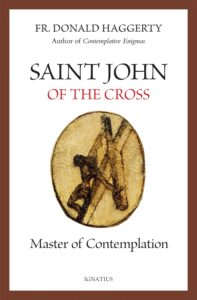
Receptivity to God’s Presence – St. John of the Cross: Master of Contemplation with Fr. Donald Haggerty
Fr. Donald Haggerty discusses St. John of the Cross’s teachings on contemplation and how it is a universal call for all Christians, regardless of vocation. Drawing from the example of St. Joseph, he illustrates how a life of silent receptivity to God’s will fosters spiritual depth. He also touches on the role of surrender in prayer, explaining that even great saints like Mary and Joseph experienced moments of not fully understanding God’s ways, yet remained open to His divine plan.
Contemplation transforms one’s entire life, moving from structured prayer activities to an interior disposition of continual awareness of God’s presence. The concept of spiritual darkness in St. John’s writings states that as faith deepens, one’s intellect encounters the mystery of God in a way that surpasses human understanding. Rather than signifying God’s absence, this darkness reflects the soul’s movement into deeper communion with Him.
Discerning Hearts Reflection Questions
How does St. John of the Cross’s teaching challenge your understanding of contemplation as a universal call for all Christians?
In what ways can you cultivate a deeper desire for God in your daily prayer life?
How does St. Joseph’s silent and active faith inspire your approach to prayer and trust in God?
When have you experienced moments of spiritual darkness or uncertainty, and how did you respond?
What does it mean to surrender even your understanding to God, as Mary and Joseph did?
How can you incorporate small pauses throughout your day to turn your heart toward God?
What role does faith play in leading you closer to God, even when His presence feels hidden?
How can contemplating the mystery of the Eucharist deepen your relationship with Christ?
In what ways do you see prayer moving from structured activities to an ongoing disposition of receptivity?
How can you grow in trust that God is guiding you even when His ways remain beyond your understanding?
An excerpt from St. John of the Cross: Master of Contemplation
The whole matter is nonetheless very delicate in description. The beginning of contemplation is not just a passive drifting with an interior current of grace that carries the soul away easily into the presence of God. A soul must learn to give itself to a quiet, loving attentiveness and discover that in the silence itself the mystery of God is hidden. There is a need to learn that nothing is lost in relinquishing active, reflective thought, as long as one’s attentiveness remains turned toward the mystery of the divine presence. Letting go in this way, so that God himself permeates the inner “activity” of prayer, requires a gradual adjustment to a new attraction felt inwardly in the soul. Receptivity is certainly the key word of advice. The soul must receive the inclination of quiet and respond to it with surrender, without seeking to grasp at an experience that it can claim as its own. It has to trust that God is mysteriously near and strive to be receptive to his hidden, drawing action. Saint John of the Cross offers this description: The proper advice for these individuals is that they must learn to abide in that quietude with a loving attentiveness to God and pay no heed to the imagination and its work. At this stage, as was said, the faculties are at rest and do not work actively but passively, by receiving what God is effecting in them. If at times the soul puts the faculties to work, it should not use excessive efforts or studied reasonings, but it should proceed with gentleness of love, moved more by God than by its own abilities. (AMC 2.12.8)
The essential adjustment into this new stage of prayer is thus twofold in nature. The four earlier signs demonstrate a need to relinquish meditative prayer because it no longer works. If a soul perceives itself at fault for the inability to meditate, it tends to impede and block the desire it feels delicately for a silence alone with God. It has to fight off, if necessary, an anxious concern that it is failing in diligence if it no longer pursues meditative prayer. The advice to trust one’s heart and its deeper desire at this time is apt. The choice to leave behind meditation happens more easily to the degree a person is more docile to the deeper inclination. Nonetheless, there remains the dilemma what to do now in a quiet and solitary state, without giving thought and imagination to any subject. This is the second aspect of a necessary adjustment. A soul almost always finds itself initially in a transitional state of some confusion. It needs to cross a bridge not knowing what it means to be on the other side of a silence without thought. The recommendation to embrace a “loving knowledge” of God is not refined sufficiently in most lives to be identified clearly as a target of desire.
The soul may be subject to gentle waves of intermittent desire and feel an inclination drawing it. When it abandons meditation and gives way to the desire “to remain alone in loving awareness of God” (AMC 2.13.4), forsaking considerations, it is possible that it may soon find a new satisfaction. “Interior peace and quiet and repose” (AMC 2.13.4) may now gradually permeate it, without any need to respond with acts and exercises. A preference to stay in that quiet and peace may be gently felt, without realizing so well that it is being drawn to a deeper love for God. At the same time, a lack of perception is often experienced because a painful aridity is also felt. The aridity can be strong despite the obscure desire to enter into a greater love for God. A passage from The Dark Night exposes some of the difficulty of this moment of adjustment. It also identifies benefits that accrue precisely from the difficulty.
Haggerty, Donald. Saint John of the Cross: Master of Contemplation (p. 175). Ignatius Press. Kindle Edition.
A Discerning Heart Prepared: 9 Days of Spiritual Preparation for Lent
Opening Prayer (Pray each day before the daily reflection)
Heavenly Father, as I prepare to enter the holy season of Lent, I open my heart to You. Let this be a time of renewal, where I grow in love, sacrifice, and prayer. Help me remove distractions and embrace this season with purpose. Through the intercession of the Blessed Virgin Mary and all the saints, may my soul be ready to walk with Christ.
Amen.
Day 7 – Opening Your Heart to Grace
Scripture:“Let us consider how to stir up one another to love and good works.” (Hebrews 10:24)
Reflection:
Lent is not a journey we take alone. God places people in our lives—friends, family, priests, mentors—to walk with us, encourage us, and challenge us.
Who in your life inspires you to grow closer to God?
Practical Step:
Plan a spiritual conversation. Reach out to a trusted friend, priest, or mentor and schedule time to talk about your faith journey during Lent.
Encourage others in their Lenten commitments. Perhaps a simple text message or note of encouragement could help someone stay strong in their journey.
Ask yourself: Who can I pray for in a special way this Lent? Write their names in your journal and lift them up in prayer.
Closing Prayer:
Lord, thank You for the gift of others who walk with me in faith. Help me to be a source of encouragement and strength to those around me.
Amen.
Take a moment now to sit in stillness. Let today’s prayer and reflection settle in your heart.
When Lent begins this Ash Wednesday, we’ll invite you to continue your journey with our series A Lenten Spiritual Journey with Discerning Hearts: From Ashes to Glory, exclusively on Discerning Hearts.
May this season be one of deep grace and renewal and a deeper encounter with Christ.
Monday of the Eighth Week in Ordinary Time – A Time of Lectio Divina for the Discerning Heart Podcast
As you begin, take a deep breath and exhale slowly. For at least the next few moments, surrender all the cares and concerns of this day to the Lord.
Say slowly from your heart “Jesus, I Trust In You…You Take Over”
Become aware that He is with you, looking upon you with love, wanting to be heard deep within in your heart…
From the Holy Gospel of Mark 10:17-27
Jesus was setting out on a journey when a man ran up, knelt before him and put this question to him, ‘Good master, what must I do to inherit eternal life?’ Jesus said to him, ‘Why do you call me good? No one is good but God alone. You know the commandments: You must not kill; You must not commit adultery; You must not steal; You must not bring false witness; You must not defraud; Honour your father and mother.’ And he said to him, ‘Master, I have kept all these from my earliest days.’ Jesus looked steadily at him and loved him, and he said, ‘There is one thing you lack. Go and sell everything you own and give the money to the poor, and you will have treasure in heaven; then come, follow me.’ But his face fell at these words and he went away sad, for he was a man of great wealth.
Jesus looked round and said to his disciples, ‘How hard it is for those who have riches to enter the kingdom of God!’ The disciples were astounded by these words, but Jesus insisted, ‘My children,’ he said to them ‘how hard it is to enter the kingdom of God! It is easier for a camel to pass through the eye of a needle than for a rich man to enter the kingdom of God.’ They were more astonished than ever. ‘In that case’ they said to one another ‘who can be saved?’ Jesus gazed at them. ‘For men’ he said ‘it is impossible, but not for God: because everything is possible for God.’
What did your heart feel as you listened?
What did you sense the Lord saying to you?
Once more, through Him, with Him and in Him listen to the Word:
Jesus was setting out on a journey when a man ran up, knelt before him and put this question to him, ‘Good master, what must I do to inherit eternal life?’ Jesus said to him, ‘Why do you call me good? No one is good but God alone. You know the commandments: You must not kill; You must not commit adultery; You must not steal; You must not bring false witness; You must not defraud; Honour your father and mother.’ And he said to him, ‘Master, I have kept all these from my earliest days.’ Jesus looked steadily at him and loved him, and he said, ‘There is one thing you lack. Go and sell everything you own and give the money to the poor, and you will have treasure in heaven; then come, follow me.’ But his face fell at these words and he went away sad, for he was a man of great wealth.
Jesus looked round and said to his disciples, ‘How hard it is for those who have riches to enter the kingdom of God!’ The disciples were astounded by these words, but Jesus insisted, ‘My children,’ he said to them ‘how hard it is to enter the kingdom of God! It is easier for a camel to pass through the eye of a needle than for a rich man to enter the kingdom of God.’ They were more astonished than ever. ‘In that case’ they said to one another ‘who can be saved?’ Jesus gazed at them. ‘For men’ he said ‘it is impossible, but not for God: because everything is possible for God.’
What did your heart feel as you listened?
What did you sense the Lord saying to you?
Once more, through Him, with Him and in Him listen to the Word:
Jesus was setting out on a journey when a man ran up, knelt before him and put this question to him, ‘Good master, what must I do to inherit eternal life?’ Jesus said to him, ‘Why do you call me good? No one is good but God alone. You know the commandments: You must not kill; You must not commit adultery; You must not steal; You must not bring false witness; You must not defraud; Honour your father and mother.’ And he said to him, ‘Master, I have kept all these from my earliest days.’ Jesus looked steadily at him and loved him, and he said, ‘There is one thing you lack. Go and sell everything you own and give the money to the poor, and you will have treasure in heaven; then come, follow me.’ But his face fell at these words and he went away sad, for he was a man of great wealth.
Jesus looked round and said to his disciples, ‘How hard it is for those who have riches to enter the kingdom of God!’ The disciples were astounded by these words, but Jesus insisted, ‘My children,’ he said to them ‘how hard it is to enter the kingdom of God! It is easier for a camel to pass through the eye of a needle than for a rich man to enter the kingdom of God.’ They were more astonished than ever. ‘In that case’ they said to one another ‘who can be saved?’ Jesus gazed at them. ‘For men’ he said ‘it is impossible, but not for God: because everything is possible for God.’
What touched your heart in this time of prayer?
What did your heart feel as you prayed?
What do you hope to carry with you from this time with the Lord?
Our Father, who art in heaven,
hallowed be thy name.
Thy kingdom come.
Thy will be done on earth, as it is in heaven.
Give us this day our daily bread,
and forgive us our trespasses,
as we forgive those who trespass against us,
and lead us not into temptation,
but deliver us from evil.
Amen
Excerpt from THE JERUSALEM BIBLE, copyright (c) 1966 by Darton, Longman & Todd, Ltd. and Doubleday, a division of Penguin Random House, Inc. Reprinted by Permission.
A Discerning Heart Prepared: 9 Days of Spiritual Preparation for Lent
Opening Prayer (Pray each day before the daily reflection)
Heavenly Father, as I prepare to enter the holy season of Lent, I open my heart to You. Let this be a time of renewal, where I grow in love, sacrifice, and prayer. Help me remove distractions and embrace this season with purpose. Through the intercession of the Blessed Virgin Mary and all the saints, may my soul be ready to walk with Christ.
Amen.
Day 6 – Seeking Grace in the Sacraments
Scripture:“Return to the Lord your God, for He is gracious and merciful.” (Joel 2:13)
Reflection:
Lent is a season of returning to God, and the greatest way to encounter His mercy is through the Sacraments—especially Confession and the Eucharist.
How often do you allow the sacraments to transform you?
Practical Step:
Plan to go to Confession during Lent. Find the parish schedule and write down a day that works for you. If necessary, make an appointment with a priest.
Plan time for Adoration. Even if it’s just once a week or for a few quiet moments before Mass, let yourself be still in Christ’s presence.
Commit to attending at least one additional daily Mass during Lent. If that’s not possible, consider reflecting on the daily Mass readings.
Closing Prayer:
Jesus, help me embrace Your mercy this Lent. Let the sacraments transform my heart and bring me closer to You.
Amen.
Take a moment now to sit in stillness. Let today’s prayer and reflection settle in your heart.
When Lent begins this Ash Wednesday, we’ll invite you to continue your journey with our series A Lenten Spiritual Journey with Discerning Hearts: From Ashes to Glory, exclusively on Discerning Hearts.
May this season be one of deep grace and renewal and a deeper encounter with Christ.

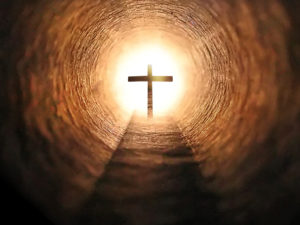
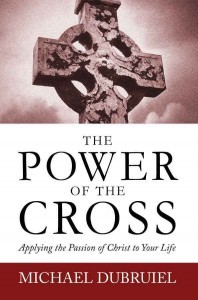
 . We HIGHLY encourage you to download this exceptional work.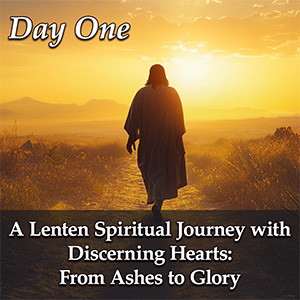
 Ash Wednesday – A Time of Lectio Divina for the Discerning Heart Podcast
 Tuesday of the Eighth Week in Ordinary Time – A Time of Lectio Divina for the Discerning Heart Podcast

 Monday of the Eighth Week in Ordinary Time – A Time of Lectio Divina for the Discerning Heart Podcast