Day 19 – Spiritual Desolation – An Advent Journey for the Discerning Heart – Discerning Hearts Podcasts

An Advent Journey for the Discerning Heart:
Prepare your heart for Christ through Scripture, the saints, and the gentle practice of daily listening.

Part Three: Listening Through Trials, Weakness, and Silence

DAY 19 – Spiritual Desolation
“Why are you cast down, O my soul, and why are you disquieted within me?
Hope in God; for I shall again praise Him, my help and my God.”
Psalm 42: 5 (RSV)


The journey of the discerning heart sometimes moves through experiences of dryness, confusion, weakness, suffering, and fear. Each of these can test our trust in God and, if not understood, can open the door to what St. Ignatius calls spiritual desolation, that deeper interior darkness where faith feels shaken, prayer seems fruitless, and the soul feels far from God.

It is important to distinguish between ordinary desolation and spiritual desolation. Ordinary desolation can arise from natural causes such as fatigue, illness, or emotional strain. These are part of our human condition and often lift with rest or care. Spiritual desolation, however, touches the soul’s relationship with God. It is a spiritual heaviness, a sense of abandonment, or a fading of joy in prayer and faith.

God never causes spiritual desolation, for He is the source of all light and peace. But in His wisdom, He may allow it. He permits this trial so the soul may grow in fidelity and learn to love Him without relying on feelings or visible signs of grace. What feels like absence can become the place where faith matures and love deepens.

The enemy, however, uses this same moment to sow discouragement and doubt. He tempts the soul to believe that God has withdrawn or that past consolations were never real. St. Ignatius warns that these are lies to be resisted firmly. The heart must remember that the truth revealed in light remains true in darkness.

That is why St. Ignatius counsels, “In time of desolation, never make a change.” Never alter a spiritual resolution, practice, or discernment made when the heart was in consolation. The peace God gave then still holds, even when it cannot be felt.

Advent reminds us that Christ entered the world in night and stillness. When the heart feels most deserted, He is not absent. He is quietly forming in us a faith that endures.

Journey with the Saints –

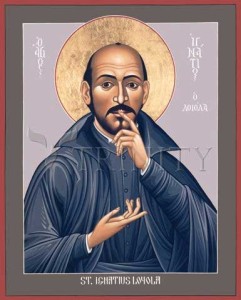
St. Ignatius of Loyola

“In time of desolation, never make a change. Be firm and constant in the resolutions and determination in which you were before the desolation.”
St. Ignatius of Loyola, Spiritual Exercises, Rule 5

St. Ignatius understood desolation as a necessary stage of growth. He describes it as “darkness of soul, disturbance, movement to low and earthly things, disquiet, and lack of hope and love.” Yet he also teaches that God allows these moments to help the soul see that peace and joy are gifts of grace, not achievements of effort.

In Rule 6, Ignatius counsels the soul to act “vigorously against the desolation”, to pray more, to examine itself, and to remember that God’s consolation will return. The key is remembrance. Remember what God has done. Remember how He has led you before. Remember that His faithfulness has not changed.

For Ignatius, desolation becomes fruitful when the soul resists discouragement and clings to the memory of light. It is a test of love’s endurance; a school of trust that prepares the heart for greater union with God.

Reflection for the Listening Heart

This Advent, we have seen how dryness can dull the heart, confusion can cloud understanding, weakness can humble, suffering can refine, and fear can narrow trust. These experiences can sometimes accompany spiritual desolation or lead toward it, but they are not the same. Even when they appear together, God is near.

In desolation, you may question whether the joy, peace, or closeness you once felt was ever real. That doubt is the enemy’s voice. Faith remembers. It recalls the mercy of God and refuses to rewrite the story of His goodness.

The discerning heart learns to resist despair by remembering grace. When you cannot see or feel God, you still know Him by what He has already done. Desolation may silence your emotions, but it cannot erase truth.

Ask yourself: When have I felt God’s closeness before? What light of consolation do I need to remember today?

A Simple Practice for Today

Return to a past moment when you clearly knew God was near; a time of peace, consolation, or gratitude.
Thank Him for that grace.
Say aloud:
“Lord, what You revealed then is still true now.”

Later in the day, when discouragement comes, repeat quietly:
“I will not change direction in this darkness. I trust that Your light will return.”

Let both moments be acts of remembrance and faith.

Prayer

Lord Jesus, when my heart is dark and my memory clouded,
help me to remember Your faithfulness.
Teach me to trust You when consolation fades
and to hold fast to what You revealed in the light.
Through the wisdom of St. Ignatius,
grant me patience in desolation and courage in trial.
Strengthen my love, deepen my faith,
and keep me steady until Your peace returns.
Come Lord Jesus.
Make my heart ready.
Amen.


For more of the episodes of
An Advent Journey for the Discerning Heart with Kris McGregor visit here


Citations for Day 19

Psalm 42:5 (RSV)
St. Ignatius of Loyola, Spiritual Exercises, Rules 4 – 6

© Discerning Hearts. All rights reserved.
Day 12 – Interior Movement – An Advent Journey for the Discerning Heart – Discerning Hearts Podcasts

An Advent Journey for the Discerning Heart:
Prepare your heart for Christ through Scripture, the saints, and the gentle practice of daily listening.

Week Two: Following the Voice of Christ

DAY 12 – Interior Movement

“I will bless the Lord who gives me counsel. In the night also my heart instructs me.”
Psalm 16.7 RSV


Interior movement is the gentle way God guides the listening heart. It is subtle. It often arrives quietly, as a small prompting, a shift of desire, a deepening peace, a check within the conscience, or a quiet sense of direction. These movements are not dramatic. They work from the inside out. Christ leads the heart through grace that touches thoughts, affections, and choices.

Interior movements are part of how the Good Shepherd speaks. Instead of overwhelming the soul, He nudges it. Instead of forcing clarity, He invites attention. When the heart becomes aware of these movements, discernment becomes possible. We begin to notice which movements draw us closer to God and which movements pull us away.

Interior movement is not emotional fluctuation. It is the activity of grace within the soul. It is Christ shaping the desires, quieting unhelpful impulses, strengthening hope, deepening peace, stirring courage, or illuminating a small next step. The discerning heart learns to recognize these movements and follow them with trust.

Advent invites us to become sensitive to these interior movements so we may follow Christ with greater freedom.

Journey with the Saints –

St. Francis de Sales

“God’s inspirations prepare our hearts and make us want to receive His grace.”
St. Francis de Sales, Treatise on the Love of God, Book 2, chapter 12

Francis de Sales was a master of understanding the interior life. He teaches that God’s movements within the heart are gentle, attractive, and never violent. Grace draws the soul. It never pushes. God inspires first. Then the heart responds. This is how love works.

For Francis, interior movement begins with God’s initiative. The soul feels drawn toward a desire for prayer, a longing for patience, a renewed tenderness toward another person, or a quiet urge to trust God more deeply. These stirrings are not from the self. They are invitations from the Lord.

Francis also teaches that interior movements require a peaceful, receptive heart. If the soul is hurried, anxious, or overly focused on self, it can miss these gentle inspirations. But when the heart grows calm and attentive, it becomes more aware of how God is guiding from within.

He reminds us that interior movements are always rooted in love. God stirs the heart so we can draw closer to Him.

Reflection for the Listening Heart

Today invites you to notice what is happening inside. What desires are stirring. What feels drawn toward God. What feels pulled away. What interior movements seem to nudge you toward patience, gratitude, or prayer. What movements trouble your peace.

Interior movements are one of the primary ways Christ guides us. You do not need intense experiences. You simply need attentiveness. When you sense a quiet draw toward something good, pause long enough to ask, “Lord, is this from You.” When you sense an interior resistance or tightening, pause again and ask, “Lord, what are You showing me.”

Ask yourself: What movements within me today might be the gentle work of grace. How is Christ trying to guide me from the inside.

A Simple Practice for Today

At least once today, pause for thirty seconds and gently name the interior movements you feel. Say, “Lord, let me follow the movements that come from You.” Later, pause again and notice: Did any movement lead you closer to God.

Prayer

Lord Jesus, guide my heart through Your gentle movements. Teach me to notice the stirrings that come from Your grace. Quiet the impulses that pull me away from You and deepen the desires that lead me closer. Give me a receptive heart that listens, trusts, and follows Your inner guidance. Amen.


For more of the episodes of
An Advent Journey for the Discerning Heart with Kris McGregor visit here


Citations for Day 12

Psalm 16.7 RSV
St. Francis de Sales, Treatise on the Love of God, Book 2, chapter 12

© Discerning Hearts. All rights reserved.

Day 11 – Guidance – An Advent Journey for the Discerning Heart – Discerning Hearts Podcasts


An Advent Journey for the Discerning Heart:
Prepare your heart for Christ through Scripture, the saints, and the gentle practice of daily listening.

Week Two: Following the Voice of Christ

DAY 11 – Guidance

“Your ears shall hear a word behind you, saying, This is the way, walk in it.”
Isaiah 30.21 RSV


Guidance is one of the most tender ways Christ speaks to the heart. He does not force. He does not overwhelm. He guides. He invites the soul to walk with Him, step by step, in a way that is personal, gentle, and full of peace.

Advent teaches us to expect this guidance. Christ came into the world quietly, through a path that surprised nearly everyone. God’s guidance often works the same way. It comes through small movements, quiet nudges, and interior clarity that grows over time. The discerning heart learns that guidance is rarely dramatic. It is steady and patient.

Guidance also requires cooperation. God does not reveal the entire path at once. He gives light for the next faithful step. He speaks through Scripture, through prayer, through the deep desires He awakens, and through the peace that settles when we move in harmony with His will.

To follow Christ is to trust that He knows the way even when we do not. Guidance is God’s continual gift to the listening heart.

Journey with the Saints –

St. Ignatius of Loyola

“It is characteristic of God and His angels, in their movements, to give true spiritual joy and consolation, taking away all sadness and disturbance.”
St. Ignatius of Loyola, Spiritual Exercises, Rule 1 for Discernment

Ignatius teaches that God guides the heart by giving interior movements that help us recognize His presence. These movements are not merely emotions. They are spiritual signals that draw the soul toward greater faith, hope, and love. They reveal the path toward God.

For Ignatius, guidance is recognizable because it leads to freedom. When a thought, desire, or direction brings peace, clarity, humility, and renewed strength for charity, it can be a sign of the Lord’s gentle directing hand. When it brings agitation, fear, confusion, or discouragement, it is often not from Him.

Ignatius teaches us that God guides in a way that respects our humanity and works through it. He does not bypass the heart. He illuminates it. His guidance becomes recognizable as we grow in trust and in the habit of listening.

Reflection for the Listening Heart

Today invites you to pay attention to the small movements within you. Guidance is rarely found in loud moments. It is usually uncovered in the quiet pull toward good, the gentle desire to pray, the sudden clarity that brings peace, or the unexpected strength to do what is loving and right.

God guides through these subtle movements. He also guides through the desires He purifies, through the Scriptures that speak directly into your situation, and through the peace that surrounds a faithful decision.

Ask yourself: Where do I sense the Lord gently guiding me today. What small step is He giving light for.

A Simple Practice for Today

Take one quiet moment and pray, “Lord, show me the next faithful step.” Notice any movement toward peace or clarity. Later in the day, pause again and ask, “Lord, guide my thoughts, my choices, and my heart.” Let this openness allow His direction to surface.

Prayer

Lord Jesus, You are my Shepherd and my guide. Lead me in the way I should go. Open my heart to notice the gentle movements of Your Spirit and give me the courage to follow them. Teach me to trust the light You give for each step. Draw me along the path that brings me closer to You. Amen.


For more of the episodes of
An Advent Journey for the Discerning Heart with Kris McGregor visit here


Citations for Day 11

Isaiah 30.21 RSV
St. Ignatius of Loyola, Spiritual Exercises, Rule 1 for the Discernment of Spirits

© Discerning Hearts. All rights reserved.

DWG3 – Foundation of Discernment – The Discernment of God’s Will in Everyday Decisions with Fr. Timothy Gallagher – Discerning Hearts Podcast

Foundation of Discernment – “What am I to do?” The Discernment of God’s Will in Everyday Decisions with Fr. Timothy Gallagher
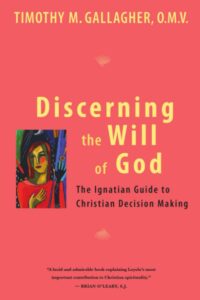
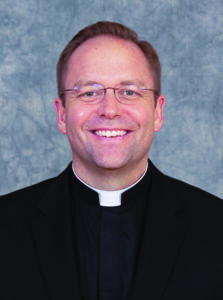
Fr. Timothy Gallagher explains that true discernment begins not with decision-making techniques, but with a spiritual foundation rooted in knowing God’s love. Drawing from St. Ignatius of Loyola’s teachings, he reflects on 1 John 4:19: “We love because He first loved us.” Fr. Gallagher shares two conversion stories—Michael, a college student who encounters God’s mercy and love in a desperate moment, and Catherine, a young woman whose experience of God’s tender presence awakens a desire to respond in love. These encounters reveal that the ability to seek God’s will arises naturally from the awareness of being loved by Him.

Fr. Gallagher explores how this love forms the heart of discernment: it is a relationship of trust and communion of wills between God and the person. Referencing John Henry Newman, each person has an irreplaceable mission in God’s plan—“God has created me to do Him some definite service.” Like Jeremiah and Mary, every person is uniquely called from eternity. When one grows in prayer and faith, that love deepens into readiness to say, “Whatever You want, Lord.” This openness marks the true disposition needed for discernment, where love and freedom unite to follow God’s personal call.


Discerning Hearts Reflection Questions:
  1. How have I personally experienced the truth that “we love because He first loved us”?
  2. When have I most deeply recognized that I am loved by God without condition?
  3. How does knowing God’s love affect the way I approach important decisions in my life?
  4. In what ways might fear or self-reliance hinder me from trusting God’s loving will?
  5. What helps me grow in awareness of God’s presence and affection in daily prayer?
  6. Can I identify a time when I, like Michael or Catherine, sensed God inviting me into deeper relationship?
  7. How does the idea that God has created me for “some definite service” shape my sense of purpose?
  8. What unique gifts or circumstances in my life reveal my irreplaceable place in God’s plan?
  9. Am I willing to say to God, “Whatever You want, Lord,” with a free and peaceful heart?
  10. How can I nurture greater openness and love so that my discernment becomes a true response to God’s invitation?

From The Discernment of God’s Will in Everyday Decisions:

Three Times in which a Sound and Good Choice May Be Made

The first time is when God Our Lord so moves and attracts the will that, without doubting or being able to doubt, the devout soul follows what is shown to it, as St. Paul and St. Matthew did in following Christ our Lord.

The second time is when sufficient clarity and understanding is received through experience of consolations and desolations, and through experience of discernment of different spirits.

The third time is one of tranquility, when one considers first for what purpose man is born, that is, to praise God our Lord and save his soul, and, desiring this, chooses as a means to this end some life or state within the bounds of the Church, so that he may be helped in the service of his Lord and the salvation of his soul. I said a tranquil time, that is, when the soul is not agitated by different spirits, and uses its natural powers freely and tranquilly.

If the choice is not made in the first or second time, two ways of making it in this third time are given below.”


Father Timothy M. Gallagher, O.M.V., was ordained in 1979 as a member of the Oblates of the Virgin Mary, a religious community dedicated to retreats and spiritual formation according to the Spiritual Exercises of St. Ignatius.  Fr. Gallagher is featured on the EWTN series “Living the Discerning Life:  The Spiritual Teachings of St. Ignatius of Loyola”. For more information on how to obtain copies of Fr. Gallaghers’s various books and audio which are available for purchase, please visit  his  website:   frtimothygallagher.org

For the other episodes in this series check out Fr. Timothy Gallagher’s “Discerning Hearts” page

DWG2 – God’s Guidance in Everyday Decisions – The Discernment of God’s Will in Everyday Decisions with Fr. Timothy Gallagher – Discerning Hearts Podcast

God’s Guidance in Everyday Decisions – “What am I to do?” The Discernment of God’s Will in Everyday Decisions with Fr. Timothy Gallagher

Fr. Timothy Gallagher discusses how Christians can seek God’s direction not only in major life choices but also in the ordinary moments of each day. Discerning God’s will begins with prayer and openness — asking God for light, reviewing the factors involved in a decision, acting with peace, and later reflecting on the outcome to learn from it. Drawing on St. Thomas Aquinas, this process cultivates the virtue of prudence — the habit of seeing what best leads to good ends. Through this daily attentiveness, our capacity to recognize divine guidance grows, especially when paired with a life of prayerful self-examination.

God’s love is intimately present in both great and small matters — even the most ordinary decisions can be part of a life offered to God. Living this way transforms daily actions into a continual offering, as described in Romans 12:1, making one’s life a “living sacrifice.” Fr. Gallagher shares from his own experience that prayerful discernment brings real clarity and peace — a partnership between human reason and divine wisdom. Over time, such faithfulness leads to serenity, as Dante wrote: “In your will is our peace.”


Discerning Hearts Reflection Questions:
  1. How do I invite God into my small, everyday choices rather than only my major life decisions?
  2. When I face uncertainty, do I take time to pray before deciding, or do I act on impulse?
  3. In what ways can I grow in the virtue of prudence through reflection on past experiences?
  4. How might I let Jesus truly be “Lord” of my ordinary routines and interactions?
  5. Do I view daily decisions as opportunities to offer my life as a “living sacrifice” to God?
  6. How do I practice trust that God cares about the details of my life as deeply as the larger events?
  7. What keeps me from turning first to prayer when discerning what to do?
  8. How can I make my nightly examen a time to learn from the day’s choices and notice God’s guidance?
  9. When have I experienced peace after following what I sensed to be God’s direction?
  10. How does Jesus’ example of always doing the Father’s will challenge or inspire my own decision-making?

From The Discernment of God’s Will in Everyday Decisions:

Three Times in which a Sound and Good Choice May Be Made

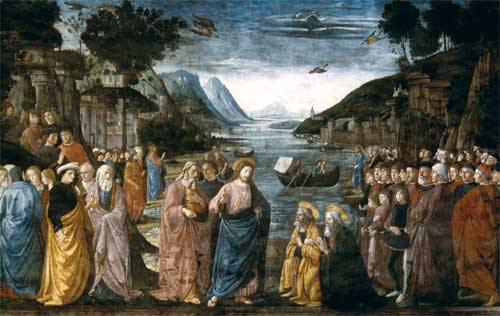
The first time is when God Our Lord so moves and attracts the will that, without doubting or being able to doubt, the devout soul follows what is shown to it, as St. Paul and St. Matthew did in following Christ our Lord.

The second time is when sufficient clarity and understanding is received through experience of consolations and desolations, and through experience of discernment of different spirits.

The third time is one of tranquility, when one considers first for what purpose man is born, that is, to praise God our Lord and save his soul, and, desiring this, chooses as a means to this end some life or state within the bounds of the Church, so that he may be helped in the service of his Lord and the salvation of his soul. I said a tranquil time, that is, when the soul is not agitated by different spirits, and uses its natural powers freely and tranquilly.

If the choice is not made in the first or second time, two ways of making it in this third time are given below.”


Father Timothy M. Gallagher, O.M.V., was ordained in 1979 as a member of the Oblates of the Virgin Mary, a religious community dedicated to retreats and spiritual formation according to the Spiritual Exercises of St. Ignatius.  Fr. Gallagher is featured on the EWTN series “Living the Discerning Life:  The Spiritual Teachings of St. Ignatius of Loyola”. For more information on how to obtain copies of Fr. Gallaghers’s various books and audio which are available for purchase, please visit  his  website:   frtimothygallagher.org

For the other episodes in this series check out Fr. Timothy Gallagher’s “Discerning Hearts” page

DWG1 – Guided by Grace – The Discernment of God’s Will in Everyday Decisions with Fr. Timothy Gallagher – Discerning Hearts Podcast

Guided by Grace – “What am I to do?” The Discernment of God’s Will in Everyday Decisions with Fr. Timothy Gallagher

Fr. Timothy Gallagher and Kris McGregor discuss how Christians can approach daily and major life decisions through the lens of St. Ignatius of Loyola’s teaching on discernment. Every choice—from small tasks to major vocational decisions—can be made in union with God when one seeks to act in harmony with His will. Discernment involves preparation through prayer, reflection, and the cultivation of spiritual freedom. Drawing from the Spiritual Exercises, he notes that a person must first clear away disordered attachments and form a heart that is ready to respond freely to God’s direction, much like Mary’s “Be it done unto me.”

Fr. Gallagher illustrates key principles with examples. Using a story involving a man named Kenneth to show us the choice between honesty and dishonesty shows that when a decision involves moral good versus evil, the right path is clear. Barbara’s pregnancy crisis highlights how Church teaching provides clarity in morally complex issues. Ruth’s dilemma about leading parish music while caring for her children reveals that God’s will often lies in fidelity to one’s vocation. Finally, Anthony’s struggle between family time and work illustrates how to handle ordinary choices through prayer, weighing circumstances, and learning from experience.


Discerning Hearts Reflection Questions:

  1. How can I invite God into even the smallest daily decisions I make?
  2. In what ways do I prepare my heart through prayer and the sacraments to better discern God’s will?
  3. What attachments or desires might be keeping me from freely following what God asks of me?
  4. How do I ensure my moral choices align with the teachings of the Church?
  5. When faced with two good options, how can I discern which one best supports my vocation and responsibilities?
  6. What helps me recognize God’s peace after I make a decision?
  7. How can I grow in the disposition of Mary, saying “Be it done unto me according to your word”?
  8. How do I learn from past decisions to recognize God’s guidance more clearly in the future?
  9. When am I most tempted to rely on my own reasoning instead of seeking the Lord’s direction?
  10. How can I cultivate a daily habit of asking God, “What do You want me to do in this moment?”

From The Discernment of God’s Will in Everyday Decisions:

Three Times in which a Sound and Good Choice May Be Made

The first time is when God Our Lord so moves and attracts the will that, without doubting or being able to doubt, the devout soul follows what is shown to it, as St. Paul and St. Matthew did in following Christ our Lord.

The second time is when sufficient clarity and understanding is received through experience of consolations and desolations, and through experience of discernment of different spirits.

The third time is one of tranquility, when one considers first for what purpose man is born, that is, to praise God our Lord and save his soul, and, desiring this, chooses as a means to this end some life or state within the bounds of the Church, so that he may be helped in the service of his Lord and the salvation of his soul. I said a tranquil time, that is, when the soul is not agitated by different spirits, and uses its natural powers freely and tranquilly.

If the choice is not made in the first or second time, two ways of making it in this third time are given below.”


Father Timothy M. Gallagher, O.M.V., was ordained in 1979 as a member of the Oblates of the Virgin Mary, a religious community dedicated to retreats and spiritual formation according to the Spiritual Exercises of St. Ignatius.  Fr. Gallagher is featured on the EWTN series “Living the Discerning Life:  The Spiritual Teachings of St. Ignatius of Loyola”. For more information on how to obtain copies of Fr. Gallaghers’s various books and audio which are available for purchase, please visit  his  website:   frtimothygallagher.org

For the other episodes in this series check out Fr. Timothy Gallagher’s “Discerning Hearts” page

IJCY1 – Hearing God’s Voice – Is Jesus Calling You with Fr. Paul Hoesing – Discerning Hearts Podcast


Hearing God’s Voice – Is Jesus Calling You with Fr. Paul Hoesing

Fr. Paul Hoesing and Kris McGregor discuss the process of discernment, particularly in the context of vocational calling, with a focus on priesthood but applicable to all vocations, using the booklet “Is Jesus Calling You to Be a Catholic Priest?” authored by Father Tom Richter.

Discernment involves more than decision-making; it’s about listening attentively to God’s voice amidst the noise of the world, the devil, and our own egos. Encountering Christ personally, especially through prayer and the sacraments, is the foundation of discernment.

Fr. Hoesing shares anecdotes and insights, such as the distinction between the voices of God and those of the world, and the significance of feelings of blessing and gratitude as indicators of God’s presence.


Discerning Hearts Reflection Questions:

  1. Encounter with Christ: Where have you encountered Christ in your life, and what impact has that encounter had on you?
  2. Gratitude and Blessings: Can you identify specific instances where you’ve felt blessed and grateful for God’s actions in your life?
  3. Discerning God’s Voice: How do you distinguish between the voice of God and other competing voices, such as those of the world, the devil, and your own ego?
  4. Personal Encounter with Christ: In what ways do you currently cultivate a personal encounter with Christ through prayer and the sacraments?
  5. Embracing God’s Call: How do you respond to the call of God in your life, whether it be towards priesthood, religious life, marriage, or another vocation?
  6. Seeking Guidance and Blessing: How can you seek guidance from God as you navigate your discernment journey

Based on “Is Jesus Calling You To Be A Catholic  Priest: A helpful guide”, published by National Conference of Diocesan Vocation Director.

Fr. Paul Hoesing serves at Kenrick-Glennon Seminary as President Rector

DWG3 – Foundation of Discernment – The Discernment of God’s Will in Everyday Decisions with Fr. Timothy Gallagher – Discerning Hearts Podcast

Foundation of Discernment – “What am I to do?” The Discernment of God’s Will in Everyday Decisions with Fr. Timothy Gallagher

Fr. Timothy Gallagher and Kris McGregor discuss the importance of understanding the foundation of discerning God’s will according to St. Ignatius. Before delving into the specific techniques of discernment, it’s crucial to grasp why discerning God’s will is significant.

Drawing upon the biblical concept that we love because God first loved us and the personal experience of feeling deeply loved by God as the foundations for discernment. Fr. Gallagher uses real-life examples to illustrate how individuals discovered this foundational truth through personal encounters with God’s love, leading to a desire to respond in love by seeking God’s will. Fr. Gallagher connects this understanding to the profound truth that each person has a unique mission given by God, and the importance of faith in recognizing and responding to this call.


Discerning Hearts Reflection Questions:

  1. Understanding the Foundation of Discernment: How does the principle “we love because God first loved us” inform your understanding of discerning God’s will in your life?
  2. Encountering God’s Love: Can you recall a personal experience where you deeply felt God’s love? How did this experience impact your willingness to seek and follow God’s will?
  3. Personal Mission and Purpose: Reflect on Blessed John Henry Newman’s assertion that “God has created me to do him some definite service.” How does this notion resonate with your own sense of purpose and vocation?
  4. Cultivating a Disposition of Openness: In what ways can you foster a disposition of openness to God’s will in your life, particularly during moments of discernment or ambiguity?
  5. Responding to God’s Love: How does understanding God’s unconditional love for you inspire your desire to respond in love by seeking and following God’s will?
  6. Embracing God’s Unique Plan: Consider the idea that each person has a unique mission given by God. How does this understanding influence your perspective on your own life’s purpose and mission?
  7. Practical Steps for Discernment: What practical steps can you take to deepen your awareness of God’s love and nurture a disposition of openness to discerning God’s will in your life?

From The Discernment of God’s Will in Everyday Decisions:

Three Times in which a Sound and Good Choice May Be Made

The first time is when God Our Lord so moves and attracts the will that, without doubting or being able to doubt, the devout soul follows what is shown to it, as St. Paul and St. Matthew did in following Christ our Lord.

The second time is when sufficient clarity and understanding is received through experience of consolations and desolations, and through experience of discernment of different spirits.

The third time is one of tranquility, when one considers first for what purpose man is born, that is, to praise God our Lord and save his soul, and, desiring this, chooses as a means to this end some life or state within the bounds of the Church, so that he may be helped in the service of his Lord and the salvation of his soul. I said a tranquil time, that is, when the soul is not agitated by different spirits, and uses its natural powers freely and tranquilly.

If the choice is not made in the first or second time, two ways of making it in this third time are given below.”


Father Timothy M. Gallagher, O.M.V., was ordained in 1979 as a member of the Oblates of the Virgin Mary, a religious community dedicated to retreats and spiritual formation according to the Spiritual Exercises of St. Ignatius.  Fr. Gallagher is featured on the EWTN series “Living the Discerning Life:  The Spiritual Teachings of St. Ignatius of Loyola”. For more information on how to obtain copies of Fr. Gallaghers’s various books and audio which are available for purchase, please visit  his  website:   frtimothygallagher.org

For the other episodes in this series check out Fr. Timothy Gallagher’s “Discerning Hearts” page

DWG2 – God’s Guidance in Everyday Decisions – The Discernment of God’s Will in Everyday Decisions with Fr. Timothy Gallagher – Discerning Hearts Podcast

God’s Guidance in Everyday Decisions – “What am I to do?” The Discernment of God’s Will in Everyday Decisions with Fr. Timothy Gallagher

Father Timothy Gallagher and Kris McGregor explore the process of discernment using examples and insights from St. Ignatius of Loyola’s Spiritual Exercises, starting with the importance of seeking God’s will in all aspects of life, whether big or small.

Fr. Gallagher shares examples of discerning small daily choices, such as resolving tension with a friend or inviting someone to a parish event; going further into larger life decisions, such as discerning between marriage and priesthood or a career change. They discuss the complexity of such decisions, where both options are good and significant sacrifices may be involved. The discernment process outlined by St. Ignatius, which will be explored further in future episodes. This process involves prayer, reflection, and seeking clarity through the guidance of the Holy Spirit.


Discerning Hearts Reflection Questions:

  1. How can individuals discern between good and bad choices in their daily lives, according to the principles outlined by Father Gallagher? Discuss the role of the Church’s teachings in this discernment.
  2. Father Gallagher mentions the discernment between good and good choices, especially concerning one’s state of life. How can one apply this discernment in their own life, considering their specific duties and responsibilities?
  3. The podcast delves into the importance of small daily choices in aligning one’s life with God’s will. Share personal experiences or thoughts on how these small decisions have impacted your spiritual journey.
  4. The concept of discerning God’s will in significant life decisions, like career choices or vocation, is highlighted. Discuss how St. Ignatius’s Spiritual Exercises might aid someone in making these significant choices. What process would you personally follow in such discernment?
  5. Reflect on the story of Robert’s vocational discernment between priesthood and marriage. How does one find clarity in such profound life decisions, and what role does prayer and community advice play in this process?
  6. The example of Brian contemplating a career shift to become a doctor raises questions about discerning God’s will in professional life. Discuss how one might balance personal desires, family responsibilities, and God’s calling when considering such a major change.
  7. Father Gallagher underscores the virtue of prudence in decision-making. How can one cultivate this virtue in daily life, and how does it assist in discerning God’s will?
  8. The notion of living one’s life as a “living sacrifice, holy and acceptable to God” (Romans 12:1) is discussed. In practical terms, what does this mean for a lay Catholic in their everyday life?
  9. Father Gallagher suggests that discerning God’s will should include an examination of conscience and reflection on daily spiritual experiences. How can one integrate this practice into their routine?
  10. The podcast concludes with the idea that God cares about even the smallest decisions. How does this perspective influence your view of God’s presence and action in your life? How can you foster a deeper awareness of God’s guidance in every decision you make?

From The Discernment of God’s Will in Everyday Decisions:

Three Times in which a Sound and Good Choice May Be Made

The first time is when God Our Lord so moves and attracts the will that, without doubting or being able to doubt, the devout soul follows what is shown to it, as St. Paul and St. Matthew did in following Christ our Lord.

The second time is when sufficient clarity and understanding is received through experience of consolations and desolations, and through experience of discernment of different spirits.

The third time is one of tranquility, when one considers first for what purpose man is born, that is, to praise God our Lord and save his soul, and, desiring this, chooses as a means to this end some life or state within the bounds of the Church, so that he may be helped in the service of his Lord and the salvation of his soul. I said a tranquil time, that is, when the soul is not agitated by different spirits, and uses its natural powers freely and tranquilly.

If the choice is not made in the first or second time, two ways of making it in this third time are given below.”


Father Timothy M. Gallagher, O.M.V., was ordained in 1979 as a member of the Oblates of the Virgin Mary, a religious community dedicated to retreats and spiritual formation according to the Spiritual Exercises of St. Ignatius.  Fr. Gallagher is featured on the EWTN series “Living the Discerning Life:  The Spiritual Teachings of St. Ignatius of Loyola”. For more information on how to obtain copies of Fr. Gallaghers’s various books and audio which are available for purchase, please visit  his  website:   frtimothygallagher.org

For the other episodes in this series check out Fr. Timothy Gallagher’s “Discerning Hearts” page

DWG1 – Guided by Grace – The Discernment of God’s Will in Everyday Decisions with Fr. Timothy Gallagher – Discerning Hearts Podcast

Guided by Grace – “What am I to do?” The Discernment of God’s Will in Everyday Decisions with Fr. Timothy Gallagher

Fr. Timothy Gallagher and Kris McGregor focus on discerning the will of God in Christian decision-making, particularly through an Ignatian lens. Fr. Gallagher teaches us that Christians seek to make choices consciously aligned with God’s will, ranging from daily decisions to major life choices; and the importance of preparation through spiritual exercises such as examination of conscience, meditation, and prayer, which dispose the soul to discern God’s will.

Fr. Gallagher provides various scenarios to illustrate discernment principles. For instance, he discusses choices between morally good and bad options, emphasizing the importance of choosing what aligns with God’s will. He also delves into decisions between competing goods, where fidelity to one’s vocation guides discernment. Additionally, he explores the process of prayerfully considering factors, making decisions, finding peace, and learning from the outcomes.


Discerning Hearts Reflection Questions:

  1. Aligning Choices with God’s Will: How can I ensure that my decisions, whether small or significant, are consciously aligned with God’s will, reflecting a desire to live as a disciple of Christ?
  2. Preparation through Spiritual Exercises: In what ways can I incorporate spiritual exercises like examination of conscience, meditation, and prayer into my daily life to better prepare myself for discerning God’s will?
  3. Choosing between Morally Good and Bad Options: When faced with decisions between morally good and bad options, how can I find the courage to consistently choose what aligns with God’s will, even in challenging circumstances?
  4. Seeking Guidance from Church Teaching: How can I integrate the teachings of the Church, particularly in areas where societal norms may conflict with Christian values, to ensure that my discernment aligns with God’s will?
  5. Balancing Responsibilities within Vocation: Reflecting on Ruth’s situation, how can I discern between competing goods, ensuring that I prioritize fidelity to the duties of my vocation while also recognizing opportunities for service and growth?
  6. Prayerful Consideration of Daily Choices: In my daily life, how can I incorporate prayerful reflection and consideration of factors into my decision-making process, seeking God’s guidance in even the smallest of choices?
  7. Embracing a Disposition of Heart Like Mary’s: How can I cultivate a disposition of heart that mirrors Mary’s openness to God’s will, eagerly saying “yes” to whatever God asks of me, even when it involves sacrifice or difficult choices?
  8. Continuous Learning and Growth: How can I review my past decisions, both those that align with God’s will and those that may not have, in order to learn and grow in my ability to discern God’s will in future choices?

From The Discernment of God’s Will in Everyday Decisions:

Three Times in which a Sound and Good Choice May Be Made

The first time is when God Our Lord so moves and attracts the will that, without doubting or being able to doubt, the devout soul follows what is shown to it, as St. Paul and St. Matthew did in following Christ our Lord.

The second time is when sufficient clarity and understanding is received through experience of consolations and desolations, and through experience of discernment of different spirits.

The third time is one of tranquility, when one considers first for what purpose man is born, that is, to praise God our Lord and save his soul, and, desiring this, chooses as a means to this end some life or state within the bounds of the Church, so that he may be helped in the service of his Lord and the salvation of his soul. I said a tranquil time, that is, when the soul is not agitated by different spirits, and uses its natural powers freely and tranquilly.

If the choice is not made in the first or second time, two ways of making it in this third time are given below.”


Father Timothy M. Gallagher, O.M.V., was ordained in 1979 as a member of the Oblates of the Virgin Mary, a religious community dedicated to retreats and spiritual formation according to the Spiritual Exercises of St. Ignatius.  Fr. Gallagher is featured on the EWTN series “Living the Discerning Life:  The Spiritual Teachings of St. Ignatius of Loyola”. For more information on how to obtain copies of Fr. Gallaghers’s various books and audio which are available for purchase, please visit  his  website:   frtimothygallagher.org

For the other episodes in this series check out Fr. Timothy Gallagher’s “Discerning Hearts” page