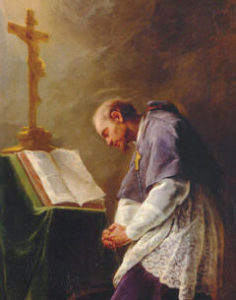
“Even though the natural light of the human mind is inadequate to make known what is revealed by faith, nevertheless what is divinely taught to us by faith cannot be contrary to what we are endowed with by nature. One or the other would have to be false, and since we have both of them from God, he would be the cause of our error, which is impossible.”
― Thomas Aquinas, Faith, Reason and Theology
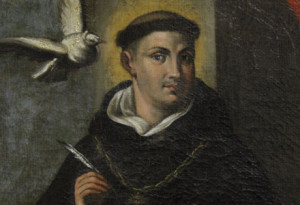
Through the intercession of St. Thomas Aquinas,
Grant me grace, O merciful God,
to desire ardently all that is pleasing to Thee,
to examine it prudently,
to acknowledge it truthfully,
and to accomplish it perfectly,
for the praise and glory of Thy name.
In particular, please obtain the favor I ask during this novena.
[Make your request here…]
Grant me, O Lord my God,
a mind to know you,
a heart to seek you,
wisdom to find you,
conduct pleasing to you,
faithful perseverance in waiting for you,
and a hope of finally embracing you.
Our intellect is ordinarily full of ideas, opinions and considerations suggested by self-love. This is the root of many conflicts within the soul, putting before us all sorts of reasons dictated by human prudence to justify our pretensions. People who make use of this false prudence, instead of enlightening their intellect, obscure it. They reject advice given to them and let those reasons prevail in their minds which support their own opinions, even wrong ones. Make use of the virtue of prudence because it is good, but make good use of it. Employ it only rarely, with simplicity, and solely for the glory of God. (Sermons 30; O. IX, pp. 297-298)
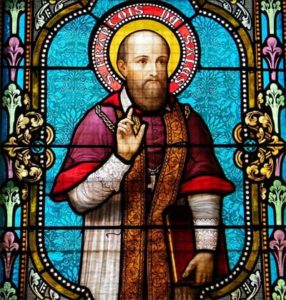
O blessed Francis de Sales, who on earth did excel in a life of virtue,
especially in the love of God and neighbor,
I earnestly ask you to take me under your compassionate care and protection.
Obtain for me conversion of mind and heart.
Grant that all people,
especially (names of those whom you wish to include) may experience
the depth of God’s redeeming and healing love.
Teach me to fix my eyes on the things of heaven
even as I walk each day with my feet planted firmly on the earth.
Help me, through the practice of virtue and the pursuit of devotion,
to avoid anything that would otherwise cause me to stumble
in my attempt to follow Christ
and to be an instrument of the Holy Spirit.
Encouraged by your prayers and example,
help me to live fully my sacred dignity
with the hope of experiencing my sacred destiny:
eternal life with God.
Receive also this particular need or concern
that I now lift up in prayer. (mention your particular need).
O God, for the salvation of all,
you desired that St. Francis de Sales—
preacher, missionary, confessor, bishop and founder—
should befriend many long the road to salvation.
Mercifully grant that we,
infused with the humility and gentleness of his charity,
guided by his wisdom and sharing in his spirit
may experience eternal life.
Monday of the Second Week in Ordinary Time – A Time of Lectio Divina for the Discerning Heart Podcast
As you begin, take a deep breath and exhale slowly. For at least the next few moments, surrender all the cares and concerns of this day to the Lord.
Say slowly from your heart “Jesus, I Trust In You…You Take Over”
Become aware that He is with you, looking upon you with love, wanting to be heard deep within in your heart…
From the Holy Gospel of St. Mark 2:18-22
One day when John’s disciples and the Pharisees were fasting, some people came to Jesus and said to him, ‘Why is it that John’s disciples and the disciples of the Pharisees fast, but your disciples do not?’ Jesus replied, ‘Surely the bridegroom’s attendants would never think of fasting while the bridegroom is still with them? As long as they have the bridegroom with them, they could not think of fasting. But the time will come for the bridegroom to be taken away from them, and then, on that day, they will fast. No one sews a piece of unshrunken cloth on an old cloak; if he does, the patch pulls away from it, the new from the old, and the tear gets worse. And nobody puts new wine into old wineskins; if he does, the wine will burst the skins, and the wine is lost and the skins too. No! New wine, fresh skins!’
What word made this passage come alive for you?
What did you sense the Lord saying to you?
Once more give the Lord an opportunity to speak to you:
One day when John’s disciples and the Pharisees were fasting, some people came to Jesus and said to him, ‘Why is it that John’s disciples and the disciples of the Pharisees fast, but your disciples do not?’ Jesus replied, ‘Surely the bridegroom’s attendants would never think of fasting while the bridegroom is still with them? As long as they have the bridegroom with them, they could not think of fasting. But the time will come for the bridegroom to be taken away from them, and then, on that day, they will fast. No one sews a piece of unshrunken cloth on an old cloak; if he does, the patch pulls away from it, the new from the old, and the tear gets worse. And nobody puts new wine into old wineskins; if he does, the wine will burst the skins, and the wine is lost and the skins too. No! New wine, fresh skins!’
What did your heart feel as you listened?
What did you sense the Lord saying to you?
Once more, through Him, with Him and in Him listen to the Word:
One day when John’s disciples and the Pharisees were fasting, some people came to Jesus and said to him, ‘Why is it that John’s disciples and the disciples of the Pharisees fast, but your disciples do not?’ Jesus replied, ‘Surely the bridegroom’s attendants would never think of fasting while the bridegroom is still with them? As long as they have the bridegroom with them, they could not think of fasting. But the time will come for the bridegroom to be taken away from them, and then, on that day, they will fast. No one sews a piece of unshrunken cloth on an old cloak; if he does, the patch pulls away from it, the new from the old, and the tear gets worse. And nobody puts new wine into old wineskins; if he does, the wine will burst the skins, and the wine is lost and the skins too. No! New wine, fresh skins!’
What touched your heart in this time of prayer?
What did your heart feel as you prayed?
What do you hope to carry with you from this time with the Lord?
Our Father, who art in heaven,
hallowed be thy name.
Thy kingdom come.
Thy will be done on earth, as it is in heaven.
Give us this day our daily bread,
and forgive us our trespasses,
as we forgive those who trespass against us,
and lead us not into temptation,
but deliver us from evil.
May the Lord bless us, and keep us from all evil, and bring us to everlasting life.
Amen
Excerpt from THE JERUSALEM BIBLE, copyright (c) 1966 by Darton, Longman & Todd, Ltd. and Doubleday, a division of Penguin Random House, Inc. Reprinted by Permission.
“God Himself is the rule and mode of virtue. Our faith is measured by divine truth, our hope by the greatness of His power and faithful affection, our charity by His goodness. His truth, power and goodness outreach any measure of reason. We can certainly never believe, trust or love God more than, or even as much as, we should. Extravagance is impossible. Here is no virtuous moderation, no measurable mean; the more extreme our activity, the better we are.”
― Thomas Aquinas, Summa Theologica, 5 Vols
Through the intercession of St. Thomas Aquinas,
Grant me grace, O merciful God,
to desire ardently all that is pleasing to Thee,
to examine it prudently,
to acknowledge it truthfully,
and to accomplish it perfectly,
for the praise and glory of Thy name.
In particular, please obtain the favor I ask during this novena.
[Make your request here…]
Grant me, O Lord my God,
a mind to know you,
a heart to seek you,
wisdom to find you,
conduct pleasing to you,
faithful perseverance in waiting for you,
and a hope of finally embracing you.
Do not pay any attention to the kind of work you do, but rather to the honor that it brings to God, even though it may seem quite trivial. Desire only to do the Divine Will, following Divine Providence, which is the disposition of Divine Wisdom. In a word, if your works are pleasing to God and recognized as such, that is all that matters. Work hard every day at increasing your purity of heart, which consists in appraising things and weighing them in the balance of God’s will. (Letters 280; O. XIII, p. 53)
O blessed Francis de Sales, who on earth did excel in a life of virtue,
especially in the love of God and neighbor,
I earnestly ask you to take me under your compassionate care and protection.
Obtain for me conversion of mind and heart.
Grant that all people,
especially (names of those whom you wish to include) may experience
the depth of God’s redeeming and healing love.
Teach me to fix my eyes on the things of heaven
even as I walk each day with my feet planted firmly on the earth.
Help me, through the practice of virtue and the pursuit of devotion,
to avoid anything that would otherwise cause me to stumble
in my attempt to follow Christ
and to be an instrument of the Holy Spirit.
Encouraged by your prayers and example,
help me to live fully my sacred dignity
with the hope of experiencing my sacred destiny:
eternal life with God.
Receive also this particular need or concern
that I now lift up in prayer. (mention your particular need).
O God, for the salvation of all,
you desired that St. Francis de Sales—
preacher, missionary, confessor, bishop and founder—
should befriend many long the road to salvation.
Mercifully grant that we,
infused with the humility and gentleness of his charity,
guided by his wisdom and sharing in his spirit
may experience eternal life.
Sunday of the Second Week in Ordinary Time – A Time of Lectio Divina for the Discerning Heart Podcast
As you begin, take a deep breath and exhale slowly. For at least the next few moments, surrender all the cares and concerns of this day to the Lord.
Say slowly from your heart “Jesus, I Trust In You…You Take Over”
Become aware that He is with you, looking upon you with love, wanting to be heard deep within in your heart…
From the Holy Gospel of St. John 2:1-11
There was a wedding at Cana in Galilee. The mother of Jesus was there, and Jesus and his disciples had also been invited. When they ran out of wine, since the wine provided for the wedding was all finished, the mother of Jesus said to him, ‘They have no wine.’ Jesus said ‘Woman, why turn to me? My hour has not come yet.’ His mother said to the servants, ‘Do whatever he tells you.’ There were six stone water jars standing there, meant for the ablutions that are customary among the Jews: each could hold twenty or thirty gallons. Jesus said to the servants, ‘Fill the jars with water’, and they filled them to the brim. ‘Draw some out now’ he told them ‘and take it to the steward.’ They did this; the steward tasted the water, and it had turned into wine. Having no idea where it came from – only the servants who had drawn the water knew – the steward called the bridegroom and said, ‘People generally serve the best wine first, and keep the cheaper sort till the guests have had plenty to drink; but you have kept the best wine till now.’
This was the first of the signs given by Jesus: it was given at Cana in Galilee. He let his glory be seen, and his disciples believed in him.
What word made this passage come alive for you?
What did you sense the Lord saying to you?
Once more give the Lord an opportunity to speak to you:
There was a wedding at Cana in Galilee. The mother of Jesus was there, and Jesus and his disciples had also been invited. When they ran out of wine, since the wine provided for the wedding was all finished, the mother of Jesus said to him, ‘They have no wine.’ Jesus said ‘Woman, why turn to me? My hour has not come yet.’ His mother said to the servants, ‘Do whatever he tells you.’ There were six stone water jars standing there, meant for the ablutions that are customary among the Jews: each could hold twenty or thirty gallons. Jesus said to the servants, ‘Fill the jars with water’, and they filled them to the brim. ‘Draw some out now’ he told them ‘and take it to the steward.’ They did this; the steward tasted the water, and it had turned into wine. Having no idea where it came from – only the servants who had drawn the water knew – the steward called the bridegroom and said, ‘People generally serve the best wine first, and keep the cheaper sort till the guests have had plenty to drink; but you have kept the best wine till now.’
This was the first of the signs given by Jesus: it was given at Cana in Galilee. He let his glory be seen, and his disciples believed in him.
What did your heart feel as you listened?
What did you sense the Lord saying to you?
Once more, through Him, with Him and in Him listen to the Word:
There was a wedding at Cana in Galilee. The mother of Jesus was there, and Jesus and his disciples had also been invited. When they ran out of wine, since the wine provided for the wedding was all finished, the mother of Jesus said to him, ‘They have no wine.’ Jesus said ‘Woman, why turn to me? My hour has not come yet.’ His mother said to the servants, ‘Do whatever he tells you.’ There were six stone water jars standing there, meant for the ablutions that are customary among the Jews: each could hold twenty or thirty gallons. Jesus said to the servants, ‘Fill the jars with water’, and they filled them to the brim. ‘Draw some out now’ he told them ‘and take it to the steward.’ They did this; the steward tasted the water, and it had turned into wine. Having no idea where it came from – only the servants who had drawn the water knew – the steward called the bridegroom and said, ‘People generally serve the best wine first, and keep the cheaper sort till the guests have had plenty to drink; but you have kept the best wine till now.’
This was the first of the signs given by Jesus: it was given at Cana in Galilee. He let his glory be seen, and his disciples believed in him.
What touched your heart in this time of prayer?
What did your heart feel as you prayed?
What do you hope to carry with you from this time with the Lord?
Our Father, who art in heaven,
hallowed be thy name.
Thy kingdom come.
Thy will be done on earth, as it is in heaven.
Give us this day our daily bread,
and forgive us our trespasses,
as we forgive those who trespass against us,
and lead us not into temptation,
but deliver us from evil.
May the Lord bless us, and keep us from all evil, and bring us to everlasting life.
Amen
Excerpt from THE JERUSALEM BIBLE, copyright (c) 1966 by Darton, Longman & Todd, Ltd. and Doubleday, a division of Penguin Random House, Inc. Reprinted by Permission.
This poor life is only a journey to the happy life to come. We must not be angry with one another on the way, but rather we must march on as a band of brothers and sisters united in meekness, peace and love. I state absolutely and make no exception: do not be angry at all if that is possible. Do no accept any pretext whatever for opening your heart’s door to anger. Saint James tells us positively and without reservation,” … a man’s anger does not fulfill God’s justice.” [Jas 1:20] (INT. Part III, Ch. 8; O. III, p. 162)
O blessed Francis de Sales, who on earth did excel in a life of virtue,
especially in the love of God and neighbor,
I earnestly ask you to take me under your compassionate care and protection.
Obtain for me conversion of mind and heart.
Grant that all people,
especially (names of those whom you wish to include) may experience
the depth of God’s redeeming and healing love.
Teach me to fix my eyes on the things of heaven
even as I walk each day with my feet planted firmly on the earth.
Help me, through the practice of virtue and the pursuit of devotion,
to avoid anything that would otherwise cause me to stumble
in my attempt to follow Christ
and to be an instrument of the Holy Spirit.
Encouraged by your prayers and example,
help me to live fully my sacred dignity
with the hope of experiencing my sacred destiny:
eternal life with God.
Receive also this particular need or concern
that I now lift up in prayer. (mention your particular need).
O God, for the salvation of all,
you desired that St. Francis de Sales—
preacher, missionary, confessor, bishop and founder—
should befriend many long the road to salvation.
Mercifully grant that we,
infused with the humility and gentleness of his charity,
guided by his wisdom and sharing in his spirit
may experience eternal life.
Saturday of the First Week in Ordinary Time – A Time of Lectio Divina for the Discerning Heart Podcast
As you begin, take a deep breath and exhale slowly. For at least the next few moments, surrender all the cares and concerns of this day to the Lord.
Say slowly from your heart “Jesus, I Trust In You…You Take Over”
Become aware that He is with you, looking upon you with love, wanting to be heard deep within in your heart…
From the Holy Gospel of St. Mark 2:13-17
Jesus went out to the shore of the lake; and all the people came to him, and he taught them. As he was walking on he saw Levi the son of Alphaeus, sitting by the customs house, and he said to him, ‘Follow me.’ And he got up and followed him.
When Jesus was at dinner in his house, a number of tax collectors and sinners were also sitting at the table with Jesus and his disciples; for there were many of them among his followers. When the scribes of the Pharisee party saw him eating with sinners and tax collectors, they said to his disciples, ‘Why does he eat with tax collectors and sinners?’ When Jesus heard this he said to them, ‘It is not the healthy who need the doctor, but the sick. I did not come to call the virtuous, but sinners.’
What word made this passage come alive for you?
What did you sense the Lord saying to you?
Once more give the Lord an opportunity to speak to you:
Jesus went out to the shore of the lake; and all the people came to him, and he taught them. As he was walking on he saw Levi the son of Alphaeus, sitting by the customs house, and he said to him, ‘Follow me.’ And he got up and followed him.
When Jesus was at dinner in his house, a number of tax collectors and sinners were also sitting at the table with Jesus and his disciples; for there were many of them among his followers. When the scribes of the Pharisee party saw him eating with sinners and tax collectors, they said to his disciples, ‘Why does he eat with tax collectors and sinners?’ When Jesus heard this he said to them, ‘It is not the healthy who need the doctor, but the sick. I did not come to call the virtuous, but sinners.’
What did your heart feel as you listened?
What did you sense the Lord saying to you?
Jesus went out to the shore of the lake; and all the people came to him, and he taught them. As he was walking on he saw Levi the son of Alphaeus, sitting by the customs house, and he said to him, ‘Follow me.’ And he got up and followed him.
When Jesus was at dinner in his house, a number of tax collectors and sinners were also sitting at the table with Jesus and his disciples; for there were many of them among his followers. When the scribes of the Pharisee party saw him eating with sinners and tax collectors, they said to his disciples, ‘Why does he eat with tax collectors and sinners?’ When Jesus heard this he said to them, ‘It is not the healthy who need the doctor, but the sick. I did not come to call the virtuous, but sinners.’
What did your heart feel as you prayed?
What do you hope to carry with you from this time with the Lord?
Our Father, who art in heaven,
hallowed be thy name.
Thy kingdom come.
Thy will be done on earth, as it is in heaven.
Give us this day our daily bread,
and forgive us our trespasses,
as we forgive those who trespass against us,
and lead us not into temptation,
but deliver us from evil.
May the Lord bless us, and keep us from all evil, and bring us to everlasting life.
Amen
Excerpt from THE JERUSALEM BIBLE, copyright (c) 1966 by Darton, Longman & Todd, Ltd. and Doubleday, a division of Penguin Random House, Inc. Reprinted by Permission.
Self-love dies only when our body dies, so we must, while we live in this land of exile, continue to counterattack its assaults on our senses and its underhanded tactics. It is enough if we firmly withstand, giving no willful or deliberate consent … When we feel within ourselves the first movements of self-love or of other passions, let us prostrate ourselves immediately before the heart of God and tell Him, in a spirit of confidence and humility, “Lord, have mercy on me because I am a very weak creature.” Then let us tranquilly rest in peace and put ourselves at God’s disposal. (Letters 1675; O. XIX, pp. 272-273)
O blessed Francis de Sales, who on earth did excel in a life of virtue,
especially in the love of God and neighbor,
I earnestly ask you to take me under your compassionate care and protection.
Obtain for me conversion of mind and heart.
Grant that all people,
especially (names of those whom you wish to include) may experience
the depth of God’s redeeming and healing love.
Teach me to fix my eyes on the things of heaven
even as I walk each day with my feet planted firmly on the earth.
Help me, through the practice of virtue and the pursuit of devotion,
to avoid anything that would otherwise cause me to stumble
in my attempt to follow Christ
and to be an instrument of the Holy Spirit.
Encouraged by your prayers and example,
help me to live fully my sacred dignity
with the hope of experiencing my sacred destiny:
eternal life with God.
Receive also this particular need or concern
that I now lift up in prayer. (mention your particular need).
O God, for the salvation of all,
you desired that St. Francis de Sales—
preacher, missionary, confessor, bishop and founder—
should befriend many long the road to salvation.
Mercifully grant that we,
infused with the humility and gentleness of his charity,
guided by his wisdom and sharing in his spirit
may experience eternal life.
Friday of the First Week in Ordinary Time – A Time of Lectio Divina for the Discerning Heart Podcast
As you begin, take a deep breath and exhale slowly. For at least the next few moments, surrender all the cares and concerns of this day to the Lord.
Say slowly from your heart “Jesus, I Trust In You…You Take Over”
Become aware that He is with you, looking upon you with love, wanting to be heard deep within in your heart…
From the Holy Gospel of St. Mark 2:1-12
When Jesus returned to Capernaum, word went round that he was back; and so many people collected that there was no room left, even in front of the door. He was preaching the word to them when some people came bringing him a paralytic carried by four men, but as the crowd made it impossible to get the man to him, they stripped the roof over the place where Jesus was; and when they had made an opening, they lowered the stretcher on which the paralytic lay. Seeing their faith, Jesus said to the paralytic, ‘My child, your sins are forgiven.’ Now some scribes were sitting there, and they thought to themselves, ‘How can this man talk like that? He is blaspheming. Who can forgive sins but God?’ Jesus, inwardly aware that this was what they were thinking, said to them, ‘Why do you have these thoughts in your hearts? Which of these is easier: to say to the paralytic, “Your sins are forgiven” or to say, “Get up, pick up your stretcher and walk”? But to prove to you that the Son of Man has authority on earth to forgive sins,’ – he turned to the paralytic – ‘I order you: get up, pick up your stretcher, and go off home.’ And the man got up, picked up his stretcher at once and walked out in front of everyone, so that they were all astounded and praised God saying, ‘We have never seen anything like this.’
What word made this passage come alive for you?
What did you sense the Lord saying to you?
Once more give the Lord an opportunity to speak to you:
When Jesus returned to Capernaum, word went round that he was back; and so many people collected that there was no room left, even in front of the door. He was preaching the word to them when some people came bringing him a paralytic carried by four men, but as the crowd made it impossible to get the man to him, they stripped the roof over the place where Jesus was; and when they had made an opening, they lowered the stretcher on which the paralytic lay. Seeing their faith, Jesus said to the paralytic, ‘My child, your sins are forgiven.’ Now some scribes were sitting there, and they thought to themselves, ‘How can this man talk like that? He is blaspheming. Who can forgive sins but God?’ Jesus, inwardly aware that this was what they were thinking, said to them, ‘Why do you have these thoughts in your hearts? Which of these is easier: to say to the paralytic, “Your sins are forgiven” or to say, “Get up, pick up your stretcher and walk”? But to prove to you that the Son of Man has authority on earth to forgive sins,’ – he turned to the paralytic – ‘I order you: get up, pick up your stretcher, and go off home.’ And the man got up, picked up his stretcher at once and walked out in front of everyone, so that they were all astounded and praised God saying, ‘We have never seen anything like this.’
What did your heart feel as you listened?
What did you sense the Lord saying to you?
Once more, through Him, with Him and in Him listen to the Word:
When Jesus returned to Capernaum, word went round that he was back; and so many people collected that there was no room left, even in front of the door. He was preaching the word to them when some people came bringing him a paralytic carried by four men, but as the crowd made it impossible to get the man to him, they stripped the roof over the place where Jesus was; and when they had made an opening, they lowered the stretcher on which the paralytic lay. Seeing their faith, Jesus said to the paralytic, ‘My child, your sins are forgiven.’ Now some scribes were sitting there, and they thought to themselves, ‘How can this man talk like that? He is blaspheming. Who can forgive sins but God?’ Jesus, inwardly aware that this was what they were thinking, said to them, ‘Why do you have these thoughts in your hearts? Which of these is easier: to say to the paralytic, “Your sins are forgiven” or to say, “Get up, pick up your stretcher and walk”? But to prove to you that the Son of Man has authority on earth to forgive sins,’ – he turned to the paralytic – ‘I order you: get up, pick up your stretcher, and go off home.’ And the man got up, picked up his stretcher at once and walked out in front of everyone, so that they were all astounded and praised God saying, ‘We have never seen anything like this.’
What touched your heart in this time of prayer?
What did your heart feel as you prayed?
What do you hope to carry with you from this time with the Lord?
Our Father, who art in heaven,
hallowed be thy name.
Thy kingdom come.
Thy will be done on earth, as it is in heaven.
Give us this day our daily bread,
and forgive us our trespasses,
as we forgive those who trespass against us,
and lead us not into temptation,
but deliver us from evil.
May the Lord bless us, and keep us from all evil, and bring us to everlasting life.
Amen
Excerpt from THE JERUSALEM BIBLE, copyright (c) 1966 by Darton, Longman & Todd, Ltd. and Doubleday, a division of Penguin Random House, Inc. Reprinted by Permission.

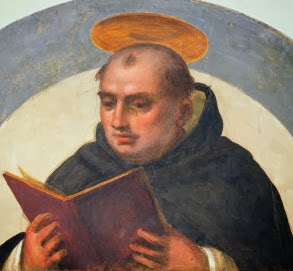
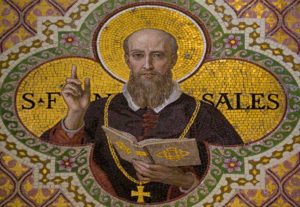 Day 7
Day 7
 St. Francis de Sales Novena – Day 6
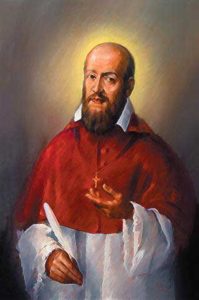 St. Francis de Sales Novena – Day 5